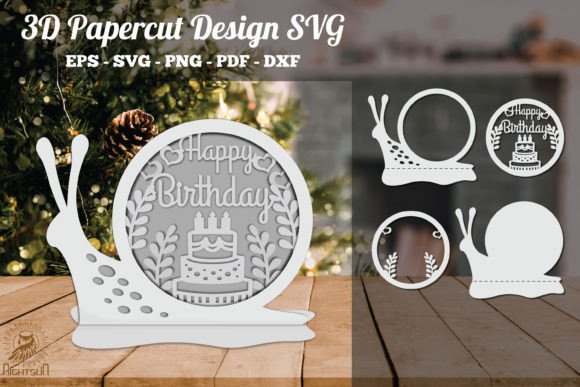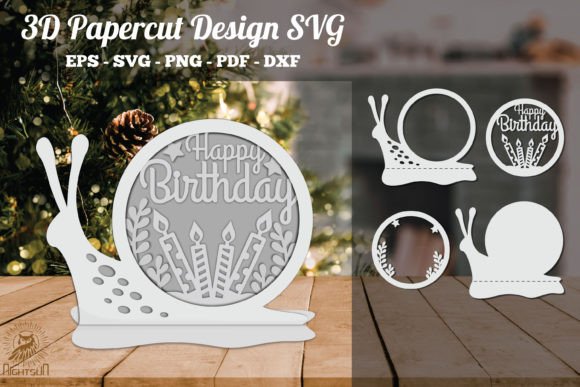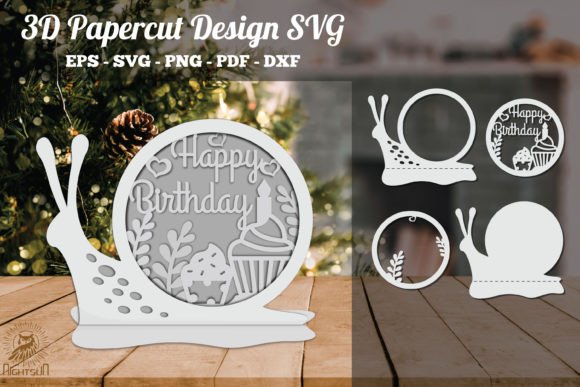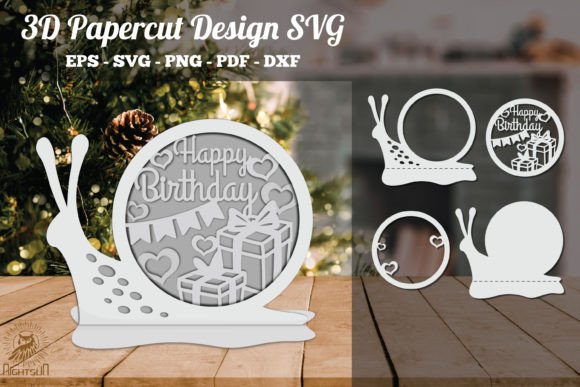
Evaluating the Birthday 3D Papercut Design SVG 2 for Craft Projects
The evolution of digital crafting has transformed how enthusiasts approach personalized gift-giving and home decor. Among the myriad of options available, layered paper art has gained significant traction due to its visual depth and tactile appeal. The Birthday 3D Papercut Design SVG 2 represents a specific iteration in this category, offering a pre-designed template for creating intricate, multi-layered shadow boxes or greeting cards. For crafters evaluating whether this digital asset aligns with their current projects, understanding the technical specifications, creative potential, and practical limitations is essential.
This design is not merely a single image but a structured collection of vector paths intended to be cut from various materials, typically cardstock or vinyl. The "3D" aspect refers to the layering technique, where different elements are stacked with foam tape or spacers to create physical depth. When assessing the value of this specific file, one must look beyond the aesthetic preview and consider the workflow integration it offers.
Understanding the File Package and Compatibility
A critical factor in selecting any digital cutting file is the versatility of the formats provided. The Birthday 3D Papercut Design SVG 2 package is comprehensive, addressing the needs of users across different hardware ecosystems. The inclusion of an SVG for cutting ensures compatibility with popular consumer machines such as Cricut and Silhouette. This format preserves vector data, allowing for infinite scaling without loss of quality, which is crucial for adjusting the design to fit specific frame sizes or card dimensions.
For professional designers or those using industrial-grade plotters, the inclusion of an AI CS6 file and an EPS file is significant. These formats allow for deeper editing within Adobe Illustrator or CorelDRAW. Users can modify anchor points, adjust line weights, or separate layers further if they wish to customize the design beyond its original intent. Additionally, the provision of a DXF file caters to users of older software versions or specific CAD-based cutting systems that do not natively support SVG imports.
The package also includes a High Quality PNG and a PDF. While these are not cutting files, they serve vital roles in the production process. The PNG is useful for sublimation printing or as a reference guide during the assembly phase, helping the crafter visualize the final layer order. The PDF often serves as a universal backup or a printable instruction sheet, ensuring that even if vector software is unavailable, the design’s structure remains accessible.
Creative Applications and User Experience
The primary appeal of this design lies in its thematic relevance and structural complexity. As a birthday-themed asset, it is tailored for celebratory contexts. However, its utility extends beyond standard greeting cards. Crafters frequently utilize these 3D papercut designs for shadow box frames, which have become popular in modern home decor. The layered effect creates a diorama-like scene that captures light and shadow dynamically, offering a sophisticated alternative to flat printed images.
When working with the Birthday 3D Papercut Design SVG 2, users should anticipate a moderate level of difficulty. Unlike simple single-layer cuts, 3D designs require precise weeding and careful assembly. The benefit here is the professional finish; the pre-separated layers mean the user does not need to manually deconstruct an illustration into cuttable components. This saves hours of design time, allowing the creator to focus on material selection and assembly techniques.
Material choice plays a pivotal role in the final outcome. Cardstock weight is a key consideration. Lighter papers may buckle under the tension of multiple layers, while heavier stocks might be difficult to fold or adhere neatly. The design’s intricacy demands sharp blades and well-calibrated cutting machines. Users who maintain their equipment regularly will find the experience smoother, with cleaner edges that enhance the 3D illusion.
Benefits and Tradeoffs
Opting for a pre-made design like this offers distinct advantages. The most notable is consistency. The proportions and spacing have been calculated to ensure that layers align correctly, reducing the trial-and-error phase often associated with custom 3D paper art. Furthermore, the cost-effectiveness is apparent when compared to commissioning a custom designer. For small business owners selling handmade cards, this asset provides a scalable solution for inventory creation.
However, there are tradeoffs to consider. The primary limitation is uniqueness. Since this is a commercial digital product, other crafters may produce identical items. For those seeking entirely bespoke creations, this design serves better as a base for modification rather than a final product. Users with advanced vector skills might choose to alter colors, swap out specific elements, or combine this design with other assets to create a hybrid piece.
Another consideration is the time investment for assembly. While the cutting process is automated, the layering process is manual. Aligning multiple sheets of paper with precision requires patience and a steady hand. Those looking for quick, last-minute gift solutions may find the assembly time prohibitive. Conversely, hobbyists who enjoy the meditative aspect of crafting will likely view this as a feature rather than a bug.
Decision-Making Insights: Is This Design Right for You?
Determining whether the Birthday 3D Papercut Design SVG 2 fits your needs depends on your specific goals and skill level. If you are a beginner with a cutting machine, this design offers a structured introduction to layered paper crafts. The availability of multiple file formats means you can start with the simplest workflow (SVG) and progress to more complex edits (AI/EPS) as your skills develop.
For educators or workshop leaders, this design is a strong candidate for group activities. The clear layer separation allows for task distribution, where different participants can cut and prepare individual layers before assembling them together. The visual impact of the final product provides a high reward-to-effort ratio, which is encouraging for learners.
On the other hand, if your primary goal is rapid prototyping or mass production with minimal manual labor, alternatives such as direct-print digital cards or laser-cut acrylic designs might be more suitable. Laser cutting offers higher precision for intricate details but requires access to different machinery. Similarly, if you lack the space for storing multiple layers of cardstock or the tools for precise adhesion, simpler 2D designs may be more practical.
Ultimately, the value of this asset lies in its balance of accessibility and artistic depth. It bridges the gap between amateur crafting and professional-grade paper engineering. By providing a robust set of file types, it respects the diverse workflows of the modern crafting community. Whether used for a heartfelt personal gift or a small-scale commercial venture, the Birthday 3D Papercut Design SVG 2 offers a reliable foundation for creating memorable, tactile art. Evaluating your available time, tools, and desire for customization will help determine if this specific design aligns with your creative objectives.