Happy Rose Day 3D Tumbler Design
Celebrating affection through custom merchandise has become a cornerstone of modern gifting culture, and few occasions capture this sentiment quite like Rose Day. As the opening act of Valentine’s Week, it sets a tone of romance, appreciation, and thoughtful gesture. For creators, entrepreneurs, and hobbyists in the sublimation space, the Happy Rose Day 3D Tumbler Design offers a unique opportunity to merge emotional resonance with technical precision. This isn’t just about slapping a image on a cup; it is about crafting a tactile experience that feels premium, personal, and visually striking.
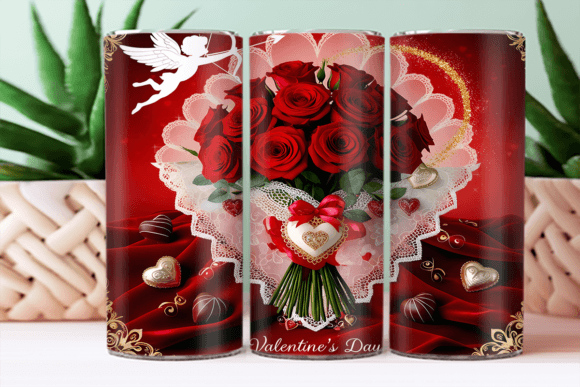
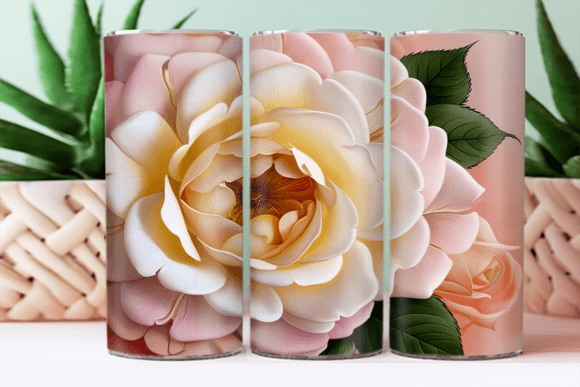
The core appeal of this design lies in its versatility and high-resolution fidelity. When we talk about a 3D effect in sublimation, we are referring to the illusion of depth created through careful layering of shadows, highlights, and perspective. The Happy Rose Day 3D Tumbler Design leverages this technique to make floral elements pop off the surface of the tumbler, creating a dynamic visual that changes as the user rotates the cup. It transforms a standard 20 oz skinny tumbler into a piece of wearable art, or rather, drinkable art, that stands out in a saturated market of flat, two-dimensional prints.
Visual Characteristics and Aesthetic Appeal
Understanding the visual language of this design is crucial for effective marketing and application. The aesthetic is rooted in romantic realism, blending soft, organic shapes with crisp, digital clarity. The roses are typically rendered with a high degree of detail, showcasing the velvety texture of petals and the subtle gradients of color that define natural blooms. This attention to detail is what separates a amateur print from a professional-grade product.
The "3D" aspect is achieved not through actual embossing, but through strategic use of lighting effects within the graphic itself. By mimicking how light hits a curved surface, the design creates an optical illusion of volume. This is particularly effective on skinny tumblers, which have a cylindrical canvas that naturally lends itself to wrapping imagery. The curvature of the tumbler enhances the 3D effect, making the roses appear as if they are blooming around the container.
In terms of color palette, these designs often utilize rich reds, soft pinks, and deep greens, contrasted against clean backgrounds to ensure the subject matter remains the focal point. However, the true strength of this asset is its adaptability. Because you receive high-quality PNG files at 300 dpi, the colors are vibrant and ready for sublimation, yet they can be adjusted to fit specific brand identities or seasonal variations. Whether you are aiming for a classic Valentine’s look or a more subdued, elegant aesthetic for everyday use, the base design provides a robust foundation.
Technical Specifications and Sublimation Best Practices
For those new to sublimation or looking to refine their process, understanding the technical deliverables is essential. The Happy Rose Day 3D Tumbler Design package typically includes two distinct file types: a straight PNG and a tapered PNG. Both are sized at approximately 9.3 x 8.2 inches, which is the standard wrap area for most 20 oz skinny tumblers. The resolution of 300 dpi ensures that when printed, the image remains sharp and free of pixelation, even when viewed up close.
The difference between the straight and tapered files is critical for professional results. A straight tumbler has consistent diameter from top to bottom, meaning the design does not need to account for perspective distortion. However, many popular skinny tumblers are slightly tapered, being narrower at the base than at the rim. If you use a straight design on a tapered tumbler, the image may appear stretched or misaligned at the seams. The tapered PNG file pre-adjusts for this geometry, ensuring that the roses align perfectly and the 3D effect remains intact without visual distortion.
When preparing your files for print, remember that sublimation is a transfer process where ink turns into gas and bonds with polyester coatings. This means that what you see on your monitor may differ slightly from the final product due to color profiles (RGB vs. CMYK) and printer limitations. It is always advisable to run a test print on a spare tumbler or sublimation paper to check color accuracy. Additionally, while the dimensions provided are approximate, the PNG format allows for resizing. If you are working with a different tumbler size, such as a 17 oz or 30 oz model, you can scale the image proportionally, keeping in mind that maintaining the 300 dpi resolution is key to preserving quality.
Commercial Applications and Brand Identity
Beyond individual gifts, this design holds significant value for small business owners and content creators building a brand identity. In the world of packaging design and promotional merchandise, consistency and quality are paramount. Using a high-quality, themed design like this allows businesses to tap into seasonal trends without the need for expensive custom illustration services. It serves as a versatile design asset that can be integrated into a broader marketing strategy.
Consider the impact on social media graphics. A well-executed sublimation tumbler makes for highly shareable content. The 3D effect photographs well, catching the light and drawing the eye in static images and videos alike. For influencers and bloggers, featuring these tumblers in lifestyle shots can enhance engagement, as audiences are drawn to aesthetically pleasing, tangible products. It bridges the gap between digital content and physical utility.
Furthermore, this design is not limited to tumblers. The high-resolution PNG files can be adapted for other printable surfaces, including vinyl decals, heat transfer paper for apparel, or even water-slide decals for harder surfaces. This flexibility allows creators to expand their product lines. Imagine offering a matching set: a tumbler, a tote bag, and a coaster, all featuring the same cohesive rose motif. This kind of cross-product consistency strengthens brand recognition and encourages higher average order values.
Practical Guidance for Creators
To maximize the potential of the Happy Rose Day 3D Tumbler Design, consider the following practical steps:
- Evaluate Project Fit: Ensure your target audience aligns with the romantic, celebratory nature of the design. It works best for Valentine’s promotions, anniversary gifts, or bridal shower favors.
- Test Font Pairings: If you plan to add personalized text, choose a script font or a clean sans serif font that complements the organic shapes of the roses. Avoid overly ornate typefaces that might clash with the detailed floral elements.
- Check Licensing: Always review the commercial usage rights associated with the design. Most digital downloads allow for commercial use on physical products, but restrictions may apply to reselling the digital file itself.
- Optimize for Readability: If adding text, ensure there is sufficient contrast between the typography and the background. The 3D roses may have complex shadows, so placing text in negative space or using a solid backing box can improve legibility.
- Monitor Color Accuracy: Calibrate your monitor and use ICC profiles specific to your sublimation printer and paper combination to minimize color shifts.
In conclusion, the Happy Rose Day 3D Tumbler Design is more than just a graphic; it is a tool for storytelling and connection. By combining technical precision with emotional appeal, it enables creators to produce merchandise that resonates on a personal level. Whether you are a seasoned designer or a hobbyist looking to elevate your craft, leveraging high-quality, adaptable assets like this can significantly enhance your output and customer satisfaction. The key lies in understanding the nuances of sublimation, respecting the visual hierarchy of the design, and applying it with creativity and care.