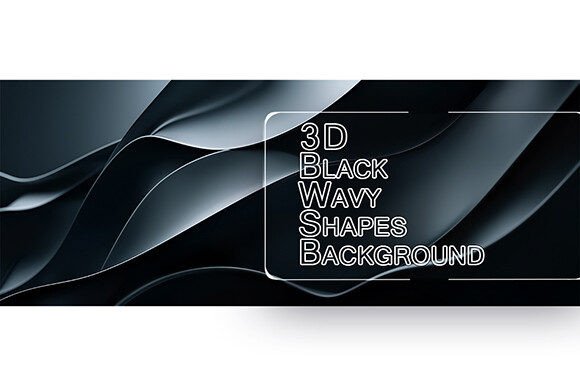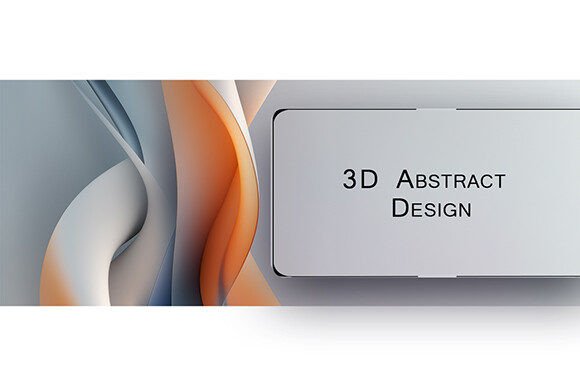
Mastering Minimalism: The Power of Abstract White 3D Background Design
In the fast-paced world of digital marketing and graphic design, clarity is often the most valuable currency. As audiences become increasingly desensitized to loud colors and cluttered visuals, a shift toward minimalism has taken center stage. At the forefront of this aesthetic evolution is the Abstract White 3D Background Design. This versatile visual tool is not merely an empty canvas; it is a sophisticated architectural element that adds depth, texture, and professionalism to any project without overwhelming the core message.
For designers, marketers, and content creators, finding the right balance between simplicity and visual interest is a constant challenge. You need a backdrop that supports your product or text rather than competing with it. An abstract white 3D background offers the perfect solution, providing a clean, modern foundation that enhances readability and elevates brand perception. Whether you are designing a corporate presentation, an e-commerce banner, or a social media post, understanding how to leverage these designs can significantly improve your visual communication strategy.
Why Choose Abstract White 3D Aesthetics?
The primary appeal of an Abstract White 3D Background Design lies in its ability to create dimension without distraction. Traditional flat white backgrounds can sometimes feel sterile or unfinished, lacking the visual weight necessary to hold a viewer’s attention. By introducing three-dimensional elements—such as soft waves, geometric folds, or subtle gradients—you add a layer of sophistication that suggests quality and precision.
This design approach addresses several common pain points for creators:
- Visual Hierarchy: The subtle shadows and highlights inherent in 3D designs guide the eye naturally toward the focal point, whether that is a call-to-action button or a product image.
- Versatility: White is neutral. It pairs seamlessly with any brand color palette, making it an ideal choice for agencies managing multiple clients with diverse branding guidelines.
- Professionalism: Clean, structured lines convey trust and reliability, which are essential traits for B2B communications, healthcare, finance, and tech industries.
When you incorporate an abstract white 3d banner design background into your workflow, you are choosing a asset that works harder for you. It eliminates the need to build complex scenes from scratch, allowing you to focus on messaging and conversion optimization.
Practical Applications Across Industries
The utility of these backgrounds extends far beyond simple web pages. Different professionals can approach and utilize these assets in unique ways to solve specific design challenges.
E-Commerce and Product Photography
For online retailers, product visibility is paramount. A busy background can detract from the item being sold. An abstract white 3D background provides a studio-like environment that feels premium yet unobtrusive. The subtle depth helps products "pop" off the screen, creating a sense of tangible presence. For example, placing a sleek smartphone or a minimalist skincare bottle against a softly curved white 3D surface enhances the product's contours and lighting, making it more appealing to potential buyers.
Corporate Presentations and Reports
Business professionals often struggle to make data-heavy slides engaging. Using a standard white slide can look lazy, while overly colorful templates can look unprofessional. An abstract white 3D design offers a middle ground. It provides a structured, elegant framework for charts, graphs, and bullet points. The gentle curves or geometric patterns can be used to frame content, ensuring that the audience remains focused on the data while enjoying a visually pleasing experience.
Digital Advertising and Social Media
In the scroll-heavy environment of social media, ads must capture attention instantly. However, they must also remain legible on small screens. An abstract white 3d banner design background is ideal for this purpose. The high contrast between white space and dark text ensures readability, while the 3D elements add just enough visual intrigue to stop the scroll. This is particularly effective for promoting webinars, eBooks, or service-based offerings where trust and clarity are key conversion drivers.
Technical Considerations and File Formats
To truly maximize the potential of these designs, it is crucial to understand the technical specifications provided by reputable sources like CLton Studio. The flexibility of your design workflow depends heavily on the file formats available to you. When you acquire a high-quality abstract white 3D background design, you should expect access to a variety of formats, each serving a distinct purpose.
AI and EPS Formats: These vector-based files are indispensable for professional designers. They allow for infinite scalability without loss of quality. If you need to adjust the curvature of a wave, change the intensity of a shadow, or resize the background for a massive billboard, AI (Adobe Illustrator) and EPS formats give you full control over every anchor point and gradient mesh. This level of customization ensures that the design fits your specific layout requirements perfectly.
JPEG Format: For quick implementations, such as social media posts or email headers, the JPEG format offers a ready-to-use solution. These files are optimized for web use, ensuring fast load times while maintaining crisp visual quality. Having a high-resolution JPEG on hand allows non-designers or marketing teams to deploy assets rapidly without needing specialized software.
By choosing a package that includes all these formats, you future-proof your design collection. You are not just buying a single image; you are investing in a flexible resource that can adapt to various platforms and print requirements.
Implementing the Design Effectively
While the asset itself is powerful, its impact depends on how you use it. Here are some recommendations for integrating an abstract white 3D background design into your projects:
- Maintain Contrast: Ensure that your text or foreground elements have sufficient contrast against the white background. Use dark grays or bold brand colors for typography to ensure legibility.
- Respect Negative Space: Do not clutter the design. The beauty of minimalism lies in what is left out. Allow the 3D elements to breathe and use the empty spaces to highlight your key messages.
- Align with Brand Identity: Even though the background is white, the style of the 3D elements should match your brand’s tone. Soft, organic curves work well for lifestyle and wellness brands, while sharp, geometric angles suit tech and financial sectors.
- Test Across Devices: Always preview your design on mobile, tablet, and desktop screens. Subtle 3D details may appear differently on various resolutions, so adjustments may be necessary to maintain visual integrity.
Conclusion
The Abstract White 3D Background Design is more than a trend; it is a fundamental tool for modern visual communication. It solves the critical problem of balancing aesthetic appeal with functional clarity. By providing depth, structure, and neutrality, it empowers creators to produce high-impact visuals that resonate with adult audiences seeking professionalism and ease of understanding.
Whether you are refining your e-commerce store, polishing a corporate deck, or launching a new ad campaign, incorporating these designs can elevate your output. With the right resources, such as the comprehensive file packages offered by CLton Studio, you gain the flexibility to customize and deploy these assets across any medium. Embrace the power of minimalism and let the subtle sophistication of 3D white backgrounds transform your design strategy.
Thank you for choosing our shop CLton Studio. We are committed to providing high-quality, versatile design assets that help you achieve your creative goals efficiently and effectively.