Mastering the Design 3D Bold Text Effect: A Practical Guide to High-Impact Typography
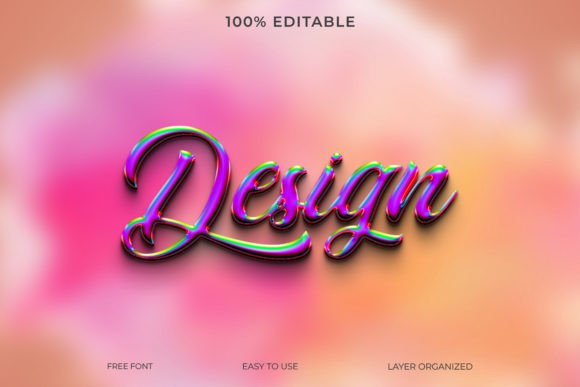
In the crowded landscape of digital design, typography often serves as the primary vehicle for communication. While flat design has dominated user interfaces for years, there is a persistent and growing demand for depth, texture, and dimensionality in promotional materials. The Design 3D Bold Text Effect represents a specific niche within graphic resources that allows creators to achieve complex, high-quality typographic styles without starting from scratch. This approach bridges the gap between amateur experimentation and professional-grade output, offering a streamlined workflow for those who need impactful visuals quickly.
Understanding how these resources function, their limitations, and where they fit into a broader design strategy is essential for anyone looking to enhance their visual projects. Whether you are creating social media headers, promotional banners, or merchandise designs, evaluating the utility of pre-made 3D text effects can save significant time while maintaining a high standard of aesthetic quality.
What Defines the Modern 3D Bold Text Effect?
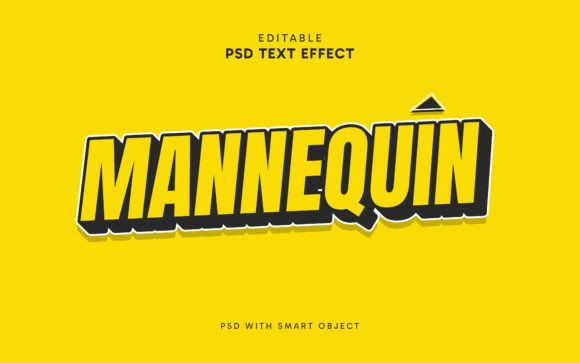
A Design 3D Bold Text Effect is not merely a font choice; it is a composite of lighting, shadow, perspective, and texture applied to typographic elements. Unlike standard two-dimensional text, these effects simulate physical properties, giving letters weight and presence. The "bold" aspect is crucial here, as thinner fonts often lose detail when subjected to heavy extrusion or complex shading. Bold typefaces provide the necessary surface area for light and shadow to interact, creating a convincing illusion of depth.
The distinct advantage of using a dedicated resource for this effect, such as the INCIAN graphic source mentioned in many professional circles, lies in its technical construction. These files are typically built using Smart Objects in Adobe Photoshop. This feature is the backbone of modern non-destructive editing. It allows users to double-click a specific layer, edit the text in a separate window, and save changes that automatically update the main composition. This mechanism ensures that the complex lighting calculations, bevels, and textures remain intact regardless of the characters used.
Comparing Pre-Made Effects vs. Manual Creation
When deciding whether to utilize a pre-packaged Design 3D Bold Text Effect, it is helpful to compare it against the alternative: building the effect manually. Both approaches have merit, depending on the project's scope and the designer's skill level.
- Time Efficiency: Creating a realistic 3D text effect from scratch involves multiple steps, including extruding shapes, setting up light sources, applying material properties, and rendering. A pre-made PSD file reduces this process to minutes. For professionals working under tight deadlines, this efficiency is invaluable.
- Consistency and Quality: High-quality resources, such as those offering 4000×2500 pixel resolution, ensure that the final output is crisp and suitable for large-format printing. Manual creation requires a deep understanding of lighting physics to avoid unnatural shadows or flat-looking surfaces. Pre-made effects often come with professionally tuned settings that guarantee a polished look.
- Customization Limits: The trade-off for speed is flexibility. While Smart Objects allow for text changes, they may not easily accommodate drastic changes to the angle of extrusion or the fundamental color palette without deeper layer manipulation. Manual creation offers total control but demands significantly more expertise.
For most marketing campaigns, social media content, and standard print materials, the flexibility offered by a well-structured PSD file is sufficient. However, for highly bespoke brand identities where every pixel must align with unique guidelines, manual creation or extensive modification of existing templates may be necessary.
Key Features That Determine Value
Not all text effect resources are created equal. When evaluating a Design 3D Bold Text Effect package, several technical features determine its usability and long-term value.
Resolution and Scalability
The resolution of the source file is critical. A standard web banner may only require 72 DPI, but print materials like posters, flyers, or t-shirts demand 300 DPI or higher. Resources that provide dimensions such as 4000×2500 pixels offer the versatility to scale down for digital use or maintain quality for mid-sized prints. Low-resolution effects often appear pixelated or blurry when enlarged, rendering them useless for professional applications.
Organization and Layer Structure
A well-organized file is as important as the visual effect itself. Look for resources where layers are fully grouped and labeled. A chaotic layer stack can make editing frustrating and error-prone. The best templates separate background elements, lighting adjustments, and the text object into distinct folders. This organization allows users to tweak specific aspects, such as background color or shadow intensity, without disrupting the core text effect.
Ease of Editing
The hallmark of a user-friendly resource is its reliance on Smart Objects. The process should be intuitive: open the file, double-click the smart object, replace the placeholder text, and save. If a template requires users to navigate complex mask chains or adjust individual bezier curves to change a letter, it fails the "no skills required" test. The goal is to democratize high-end design, allowing individuals without advanced Photoshop proficiency to produce professional results.
Practical Applications and Use Cases
The versatility of the Design 3D Bold Text Effect makes it suitable for a wide array of projects. Its ability to grab attention makes it particularly effective in environments where visual competition is high.
- Social Media Headers: Platforms like Facebook, YouTube, and Twitter rely on cover images to establish brand identity. A bold, 3D title can make a channel or page stand out in search results and recommendations.
- Promotional Banners and Ads: In digital advertising, clarity and impact are paramount. 3D text adds a tactile quality that can increase click-through rates by drawing the eye immediately to the headline or offer.
- Merchandise Design: T-shirts, hoodies, and tote bags benefit from designs that have depth. While actual printing is flat, a 3D effect can simulate embroidery, puff print, or metallic finishes, adding perceived value to the product.
- Event Materials: Posters, flyers, and invitations for concerts, conferences, or parties often use bold typography to convey energy and excitement. The dramatic lighting inherent in 3D effects aligns well with these themes.
- Presentation Decks: Corporate or educational presentations can feel dry with standard bullet points. Using 3D text for section headers or key statistics can break up monotony and reinforce important messages.
It is important to note that while these effects are powerful, they should be used judiciously. Overusing 3D text can lead to visual clutter. The best practice is to reserve these heavy effects for headlines or short phrases, keeping body copy clean and legible.
Limitations and Considerations
While the Design 3D Bold Text Effect is a powerful tool, it is not a universal solution. There are scenarios where this style may not be appropriate or where the resource may fall short.
Legibility Concerns: Heavy shadows and complex textures can sometimes reduce readability, especially at smaller sizes. Always test your final design at the intended viewing size to ensure the text remains clear. If the effect obscures the message, consider simplifying the lighting or choosing a cleaner font variant.
Software Dependency: Most high-quality 3D text effects are distributed as Photoshop (PSD) files. This requires access to Adobe Photoshop, which may be a barrier for users relying on free or alternative software like GIMP or Canva. While some platforms offer similar features, the level of control and quality found in a professionally crafted PSD is often superior.
Brand Alignment: Not all brands benefit from a bold, 3D aesthetic. Minimalist, luxury, or corporate brands may find this style too aggressive or playful. Always consider whether the visual tone aligns with the brand’s overall identity before committing to this design direction.
Making the Right Choice for Your Project
Deciding to use a Design 3D Bold Text Effect ultimately comes down to balancing quality, speed, and appropriateness. If you need a high-impact visual for a social media campaign, a event poster, or a merchandise line, and you lack the time or expertise to build 3D models from scratch, these resources are an excellent investment. They provide a professional finish that would otherwise require hours of work.
However, if your project demands unique, custom lighting scenarios or if you are working within a strict minimalist brand guideline, you may need to explore other options. In such cases, consider using the PSD as a starting point for further customization or opting for simpler, flat design elements that better suit your needs.
By understanding the strengths and limitations of these tools, you can integrate them effectively into your workflow. The key is to view them not as a replacement for design thinking, but as a accelerator that allows you to focus on creativity and messaging rather than technical execution. With the right resource, such as a well-organized, high-resolution PSD with editable Smart Objects, you can elevate your typographic designs efficiently and professionally.