Spring Stand Laser Cut Design 3D Stand: A Guide for Makers
The intersection of digital design and physical craftsmanship has opened new avenues for hobbyists and professional makers alike. Among the myriad of projects available, the Spring Stand Laser Cut Design 3D Stand has emerged as a popular choice for those utilizing computer-controlled cutting tools. This decorative item combines functional utility with seasonal aesthetics, offering a tangible result from digital files. For individuals researching this specific design, understanding its technical requirements, material compatibility, and practical applications is essential before committing to a purchase or production run.
Understanding the Design and Functionality
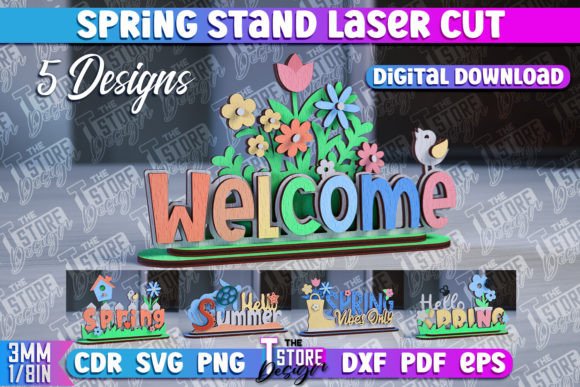
The Spring Stand Laser Cut Design 3D Stand is fundamentally a flat-pack assembly project. It relies on precise interlocking tabs and slots to create a three-dimensional structure from two-dimensional sheets of material. The "spring" aspect typically refers to both the seasonal theme—often incorporating floral motifs, pastel colors, or renewal symbolism—and potentially the mechanical tension or structural integrity required to hold the stand upright without adhesives.
As a Summer Decorative Stand 3D Stand, it serves multiple purposes. It can function as a display pedestal for small objects, a standalone centerpiece for home decor, or a functional holder for items like phones, tablets, or jewelry. The versatility lies in its modular nature; because it is laser-cut, the design can be scaled or modified to suit different needs, provided the structural ratios remain intact.
Technical Specifications and File Compatibility
One of the primary considerations for any maker evaluating this product is file compatibility. The digital package associated with this design is comprehensive, aiming to accommodate a wide range of software and hardware setups. The archive typically includes:
- 5 SVG files: Scalable Vector Graphics are ideal for web-based cutting software and general vector editing.
- 5 EPS files: Encapsulated PostScript files are standard for professional graphic design software like Adobe Illustrator.
- 5 PNG files: Portable Network Graphics provide raster images, useful for previewing designs or for users who may need visual references for manual adjustments.
- 5 PDF files: Portable Document Format files ensure that dimensions and layouts remain consistent across different viewing platforms.
- 5 DXF files: Drawing Exchange Format files are crucial for users operating CAD software or older laser cutting systems that do not natively support SVGs.
This variety ensures that whether you are using a desktop diode laser, a commercial CO2 cutter, or a craft blade machine, there is likely a compatible format included. However, it is vital to verify that your specific cutting machine and software can interpret these files correctly. While the formats are standard, version differences in software can occasionally cause import errors.
Interpreting Cutting Instructions: Red vs. Black Lines
A critical aspect of successfully producing the Spring Stand Laser Cut Design 3D Stand is understanding the layer instructions embedded in the files. The design utilizes a color-coded system to distinguish between different machine actions:
- Red Line – CUT: These paths indicate where the laser beam should cut completely through the material. Precision here is paramount, as inaccurate cuts will prevent the interlocking tabs from fitting together properly.
- Black Line – ENGRAVE: These areas are designated for surface marking. Engraving adds depth and detail, such as textures, patterns, or text, without compromising the structural integrity of the piece.
Makers must configure their software to recognize these colors as separate operations. Failure to separate cut and engrave layers can result in the machine attempting to engrave where it should cut, or vice versa, leading to wasted material and failed assemblies.
Material Considerations and Tradeoffs
Selecting the right material is as important as choosing the right file format. The Spring Stand Laser Cut Design 3D Stand is optimized for laser cutting machines, which work best with specific materials. Wood plywood, particularly birch or basswood, is a common choice due to its clean cut edges and natural aesthetic. Acrylic is another viable option, offering a modern, translucent look that can enhance the decorative appeal, especially if backlit.
However, there are tradeoffs. Wood requires careful attention to grain direction and may produce charring on the edges, which might need sanding or painting. Acrylic, while clean, can melt if the laser settings are too slow or powerful, resulting in rough edges. Cardstock or heavy paper can be used for prototyping or lightweight displays, but it lacks the durability and rigidity of wood or plastic. Evaluating the intended use of the stand will help determine the most appropriate material.
When This Design Is a Strong Fit
This product is an excellent choice for several scenarios. First, it is ideal for makers looking to create seasonal decor efficiently. The ability to produce multiple units quickly makes it suitable for small businesses selling at craft fairs or online marketplaces. Second, it serves as a valuable learning tool for beginners. The clear distinction between cut and engrave lines provides a straightforward introduction to multi-operation laser projects.
Additionally, the Spring Stand Laser Cut Design 3D Stand is well-suited for gift-giving. Its customizable nature allows for personalization through engraving, making it a thoughtful present for housewarmings, birthdays, or holidays. The compact storage of the flat-pack design also makes it easy to ship or store until needed.
When to Consider Alternatives
Despite its advantages, this design may not be suitable for every situation. If you lack access to a laser cutter or a compatible cutting machine, this digital product will not be useful unless you have access to a makerspace or a service bureau. Furthermore, if you are seeking a highly complex mechanical device with moving parts beyond simple assembly, this static decorative stand may not meet your expectations.
Those requiring large-scale industrial displays might find the size limitations of standard laser beds restrictive. In such cases, alternative manufacturing methods like CNC routing or 3D printing might offer more flexibility in terms of scale and material strength.
Practical Decision-Making Insights
Before purchasing, assess your current skill level and equipment capabilities. Ensure your software can handle the provided file types, particularly SVG and DXF, which are the most universally accepted. Consider the time investment required for post-processing, such as removing char marks or assembling the pieces. If you are new to laser cutting, start with a test run on scrap material to calibrate your power and speed settings for both the red cut lines and black engrave lines.
If you require specific modifications, such as different file types or custom sizes for PNG previews, reaching out to the designer directly is recommended. Many creators are willing to accommodate reasonable requests, enhancing the overall value of the product. Clear communication can prevent misunderstandings and ensure that the final product aligns with your specific project goals.
In conclusion, the Spring Stand Laser Cut Design 3D Stand offers a balanced blend of aesthetic appeal and technical accessibility. By carefully considering material choices, machine compatibility, and intended use, makers can effectively leverage this design to create high-quality, decorative items. Whether for personal enjoyment or commercial production, understanding the nuances of this product will lead to more successful and satisfying outcomes.