Elevate Your Projects with Boy 3D Embroidery Design
In the dynamic world of textile customization, few techniques capture attention quite like three-dimensional embroidery. Among the vast array of available patterns, the Boy 3D Embroidery Design stands out as a versatile and visually striking option for creators looking to add depth and personality to their work. Whether you are a professional decorator running a small business or a hobbyist passionate about personalized gifts, understanding how to effectively utilize this design can significantly enhance the quality and appeal of your finished products.
This article explores the intricacies of the Boy 3D Embroidery Design, detailing its aesthetic qualities, technical requirements, and practical applications. By focusing on user experience and technical compatibility, we aim to provide a comprehensive guide that helps you make informed decisions about incorporating this design into your creative workflow.
Understanding the Aesthetic Appeal
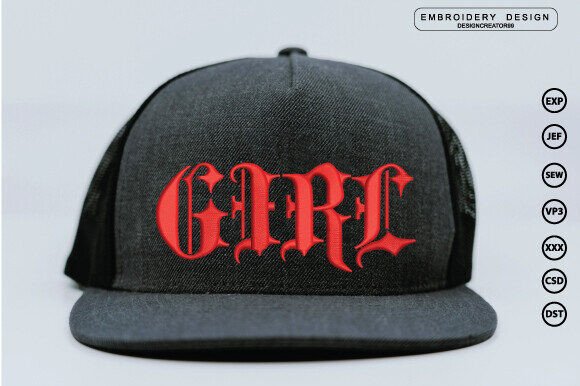
The primary allure of the Boy 3D Embroidery Design lies in its ability to transform flat fabric into a textured canvas. Unlike standard flat embroidery, which relies solely on thread color and stitch direction for visual interest, 3D embroidery utilizes a foam underlay to raise specific elements of the design above the surface of the material. This technique creates a tangible sense of depth, making the subject matter pop with a lifelike presence.
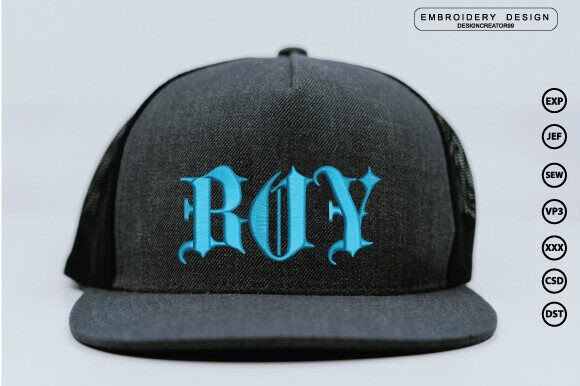
The design features stunning lettering and character elements that are meticulously crafted to maintain clarity even when raised. The interplay between the elevated stitches and the flat background creates a sophisticated contrast that is both modern and timeless. This visual complexity makes the design particularly effective for items where immediate visual impact is desired, such as caps, jackets, and promotional gear. The "boy" theme often incorporates playful yet refined motifs, making it suitable for a wide demographic, from children’s apparel to adult streetwear.
Versatility Across Apparel and Accessories
One of the most significant advantages of the Boy 3D Embroidery Design is its adaptability. It is not limited to a single type of garment or accessory. Instead, it serves as a robust solution for various textile projects. Below are some of the most common and effective applications for this design:
- Hats and Caps: This is perhaps the most popular application for 3D embroidery. The structured front panel of a baseball cap provides the perfect stable surface for raised stitching. The Boy 3D Embroidery Design looks exceptionally good on hats, offering a premium, professional look that is often associated with high-end sports teams and fashion brands.
- T-Shirts and Sweatshirts: When applied to heavier fabrics like cotton blends or fleece, the design adds a tactile element that enhances the perceived value of the garment. It is ideal for creating standout graphics on the chest or back of sweatshirts.
- Backpacks and Bags: Durability is key for accessories, and 3D embroidery holds up well against daily wear and tear. The raised texture on a backpack can serve as a unique branding element or a personalized touch for students and travelers.
- Personalized Gifts: For special occasions, the design can be customized with names or dates. The three-dimensional effect makes these gifts feel more thoughtful and exclusive, distinguishing them from mass-produced items.
Technical Compatibility and File Formats
For any digital embroidery design to be useful, it must be compatible with the user’s hardware. The Boy 3D Embroidery Design is distributed with a comprehensive suite of file formats to ensure broad accessibility across different machine manufacturers. This inclusivity is crucial for professionals who may operate multiple machines or for hobbyists who are unsure which format their specific model requires.
The package includes the following nine essential formats:
- PES: Compatible with Brother and Babylock machines, this is one of the most widely used formats in the home embroidery community.
- DST: The industry standard for Tajima machines, also widely supported by many other commercial and industrial embroidery systems.
- EXP: Designed for Melco machines, ensuring precision for users of this specific brand.
- HUS: Tailored for Husqvarna and Viking machines, providing optimal stitch data for these models.
- JEF: Compatible with Janome, Elna, and Kenmore machines, covering a significant portion of the domestic market.
- VP3: Another format for Husqvarna and Viking, often used for newer models with advanced features.
- VIP: Specifically for certain Husqvarna and Viking models, ensuring legacy and current compatibility.
- XXX: A universal format often used by Singer and other brands, providing a fallback option for various machines.
- SEW: Compatible with Janome, Elna, and Kenmore, offering an alternative to JEF for users of these brands.
This extensive list ensures that the Boy 3D Embroidery Design can be used with multiple embroidery machines, reducing the need for third-party conversion software, which can sometimes alter stitch density or sizing. By providing native formats, the designer preserves the integrity of the original digitizing, ensuring that the 3D effect is rendered correctly.
Practical Considerations for Best Results
While the design files are optimized for quality, achieving the best results with 3D embroidery requires attention to detail during the production process. Here are some practical tips for working with the Boy 3D Embroidery Design:
Stabilization is Key: 3D embroidery exerts more pull on the fabric than flat embroidery due to the foam layer. Using a high-quality cut-away stabilizer is recommended to prevent puckering and ensure the design remains stable over time. For hats, a specific hat frame and backing should be used to maintain tension.
Foam Selection: The thickness of the foam underlay affects the final height of the design. Typically, 2mm or 3mm foam is used for standard 3D effects. Ensure the foam is trimmed closely to the stitch lines after embroidery to achieve a clean, professional finish. Any exposed foam can degrade over time, so precise trimming is essential.
Fabric Choice: Not all fabrics are suitable for 3D embroidery. Lightweight or stretchy materials may not support the weight and tension of the raised stitches. Heavier fabrics like denim, twill, canvas, and fleece are ideal. If you must use a lighter fabric, consider using a topping or stabilizing the area heavily to prevent distortion.
Evaluating Suitability for Your Needs
Before purchasing or downloading the Boy 3D Embroidery Design, consider your specific project goals. If you are looking to create high-impact logos for a sports team, the 3D effect offers a professional edge that flat embroidery cannot match. However, if you are working with delicate silks or sheer fabrics, this design may not be appropriate due to the heavy stitch count and foam requirement.
For business owners, the versatility of the included file formats means you can offer this design to a broader client base without worrying about compatibility issues. For individual creators, the ease of use across common home machines like Brother and Janome makes it an accessible entry point into the world of 3D embroidery.
Conclusion
The Boy 3D Embroidery Design represents a blend of artistic flair and technical precision. Its ability to add depth and texture to a variety of garments and accessories makes it a valuable asset for anyone involved in textile customization. By understanding the technical requirements, selecting the right materials, and leveraging the diverse file formats provided, you can unlock the full potential of this design. Whether for personal enjoyment or commercial enterprise, this design offers a reliable and stylish solution for creating memorable embroidered items.
For more insights on embroidery techniques and design selection, continue exploring our resources dedicated to helping creators achieve professional results. Remember, the key to successful embroidery lies not just in the design itself, but in the careful execution and attention to detail that brings it to life.