Evaluating the Girl 3D Embroidery Design for Modern Stitching Projects
In the evolving landscape of machine embroidery, three-dimensional techniques have gained significant traction for their ability to add tactile depth and visual interest to fabric. The Girl 3D Embroidery Design represents a specific application of this technique, combining intricate digitizing with raised stitching methods to create a portrait or character motif that stands out from the material. For hobbyists, professional decorators, and small business owners, understanding the nuances of this design type is essential before committing to a project. This article explores the practical considerations, compatibility requirements, and ideal use cases for incorporating this design into your workflow.
Understanding the 3D Embroidery Technique
Three-dimensional embroidery, often referred to as puff embroidery, differs from standard flat stitching by utilizing a foam underlay. As the machine stitches over the foam, the threads compress the material beneath while raising the top layers, creating a sculpted effect. The Girl 3D Embroidery Design is specifically digitized to accommodate this process. Unlike standard satin stitches that lie flat against the garment, this design requires precise density control and strategic break points to ensure the foam does not bunch or tear during the stitching process.
When evaluating this design, it is important to recognize that the visual impact relies heavily on the contrast between the raised elements and the background. The design is not merely an image; it is a structural modification of the fabric surface. This makes it particularly effective for logos, monograms, and character art where bold lines and defined shapes are present. However, fine details may be lost in the puffing process, so the digitizing must balance aesthetic fidelity with the physical limitations of the foam medium.
Compatibility and File Formats
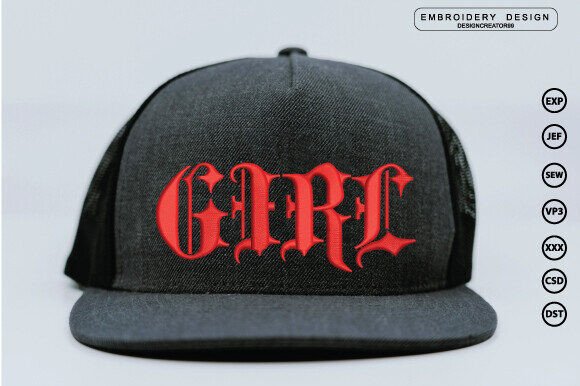
One of the primary considerations for any embroiderer is machine compatibility. Embroidery machines read specific file types based on the manufacturer’s proprietary software. The versatility of the Girl 3D Embroidery Design lies in its multi-format availability, ensuring it can be deployed across a wide range of equipment without the need for third-party conversion tools, which can sometimes alter stitch paths or density.
The design package typically includes the following industry-standard formats:
- PES: Optimized for Brother and Babylock machines, this is one of the most common formats in home and semi-professional settings.
- DST: The Tajima standard, widely recognized as the universal format for commercial industrial machines.
- EXP: Designed for Melco systems, often used in high-volume production environments.
- HUS and VP3: Specific to Husqvarna and Viking machines, ensuring precise tension control for these brands.
- JEF: Compatible with Janome, Elna, and Kenmore models, catering to a broad segment of domestic users.
- VIP and XXX: Additional formats for Husqvarna/Viking and Janome/Elna/Kenmore respectively, providing redundancy and flexibility.
- SEW: Another format supported by Janome, Elna, and Kenmore, ensuring legacy machine support.
Having access to this comprehensive list means that whether you are operating a single-needle home unit or a multi-needle commercial setup, the design is ready to load. This eliminates the risk of data corruption associated with converting files between formats, preserving the integrity of the 3D stitch structure.
Ideal Applications and Material Considerations
Selecting the right substrate is critical for the success of a 3D design. The Girl 3D Embroidery Design performs best on materials that can support the weight and tension of the puff foam and dense stitching. Common applications include:
- T-shirts and Hoodies: Cotton blends provide a stable base. However, care must be taken with stretchy fabrics; using a stabilizer is non-negotiable to prevent distortion.
- Hats and Caps: This is perhaps the most popular use case for 3D embroidery. The curved surface of a cap benefits from the raised texture, making the design visible from various angles.
- Tote Bags and Canvas Items: Heavyweight canvas offers excellent stability, allowing the 3D elements to stand prominently without sinking into the fabric.
- Trendy Pillows and Home Decor: For wall art or decorative pillows, the tactile nature of the design adds a luxury feel. Denim or upholstery-weight fabrics are ideal here.
- Gifts: Personalized items featuring this design often perceive higher value due to the complexity and textured finish.
It is worth noting that lightweight or sheer fabrics are generally unsuitable for this type of design. The density required to hold the foam in place can cause puckering or tearing on delicate materials. If you intend to use lighter fabrics, consider applying a heavy-duty cut-away stabilizer and testing on scrap material first.
Benefits and Tradeoffs
When deciding whether to utilize the Girl 3D Embroidery Design, weigh the aesthetic benefits against the operational tradeoffs.
Benefits
The primary advantage is visual distinction. In a market saturated with flat printed or embroidered graphics, 3D designs offer a premium, tactile experience. They catch light differently and invite touch, which can enhance brand perception or gift sentiment. Furthermore, the durability of embroidered designs generally exceeds that of heat transfers or screen printing, especially after repeated washing.
Tradeoffs and Challenges
There are technical challenges to consider. First, 3D embroidery consumes more thread and takes longer to stitch than flat designs due to the increased density. Second, the margin for error is smaller. If the tension is incorrect, the foam may peek through the stitches or the design may look uneven. Additionally, removing the excess foam after stitching requires careful trimming with sharp scissors or a heat gun, adding a post-processing step that flat designs do not require.
Decision-Making Insights: Is This Design Right for You?
To determine if this design aligns with your goals, consider your current skill level and equipment capabilities. If you are new to machine embroidery, start by practicing the 3D technique on simple shapes before attempting complex portraits like the Girl 3D Embroidery Design. Ensure your machine is in good mechanical condition, particularly the needle bar and hook timing, as 3D stitching places additional stress on these components.
If you are producing items for sale, calculate the increased production time into your pricing model. While the final product commands a higher price point, the labor involved in hooping, stitching, and trimming is greater than standard embroidery. Conversely, if you are creating personal gifts or one-off art pieces, the learning curve may be part of the enjoyment, and the time investment less of a financial concern.
Alternatives should also be considered. If your project involves highly detailed photographic realism, standard flat embroidery with varied thread colors might yield a sharper image. If speed is the priority, direct-to-garment printing could be a more efficient option, though it lacks the texture and longevity of embroidery. The Girl 3D Embroidery Design sits in a sweet spot for those seeking a balance between artistic flair and durable craftsmanship.
Conclusion
The Girl 3D Embroidery Design offers a compelling option for embroiderers looking to elevate their projects with texture and depth. Its compatibility with major machine brands via formats like PES, DST, JEF, and others ensures accessibility for a wide audience. By understanding the material requirements, accepting the technical tradeoffs, and selecting appropriate applications such as hats, bags, and home decor, you can effectively integrate this design into your creative repertoire. Success lies in preparation: proper stabilization, correct tension settings, and careful finishing will ensure the final result meets professional standards.