Elevating Brand Identity Through Strategic Packaging Box Design and 3D Visualization
In the competitive landscape of modern retail and e-commerce, the initial physical interaction a customer has with a product is often defined by its packaging. Packaging box design has evolved from a mere protective necessity into a critical component of brand storytelling and marketing strategy. For professionals ranging from small business owners to established marketing agencies, the ability to visualize and execute high-quality packaging is no longer optional—it is essential. This is where the integration of 3D box design and precise digital assets becomes invaluable, bridging the gap between conceptual ideas and tangible products.
The Strategic Value of Professional Packaging Design
Effective packaging serves multiple functions: it protects the contents, communicates brand values, and influences purchasing decisions at the point of sale. A well-executed design can elevate a standard commodity into a luxury item, justifying a higher price point and fostering brand loyalty. However, achieving this level of polish requires more than just graphic design skills; it demands an understanding of structural integrity, print production standards, and visual psychology.
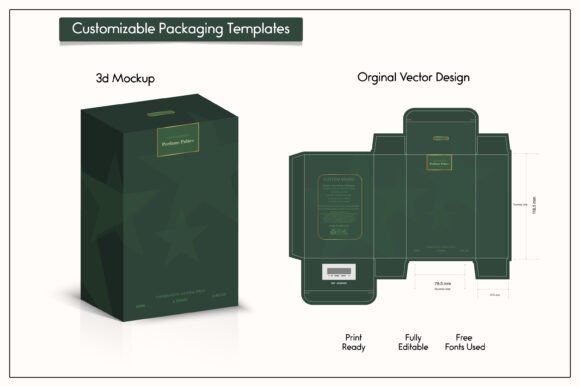
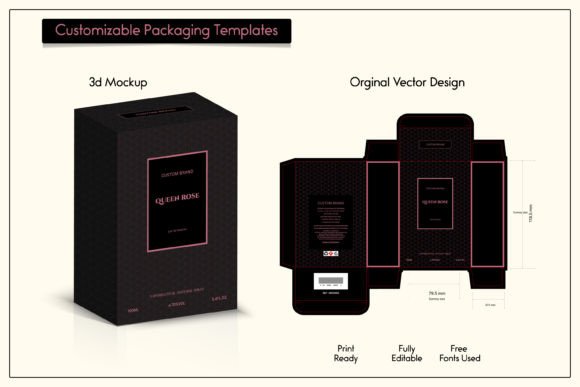
This is why resources that offer comprehensive Luxury perfume packaging box design templates or versatile vector frameworks are so highly regarded among creators. These assets provide a foundational structure that allows designers to focus on creativity rather than getting bogged down in the technical complexities of die-lines and perspective corrections. By starting with a robust template, professionals can ensure that their final output is not only aesthetically pleasing but also technically viable for mass production.
The Role of 3D Box Design in Modern Workflow
Traditional 2D design tools often fall short when it comes to predicting how a flat design will translate onto a three-dimensional object. Shadows, folds, and lighting effects can drastically alter the appearance of colors and logos. 3D box design addresses this challenge by providing realistic mockups that simulate the final product. This capability is crucial for client presentations, investor pitches, and online storefronts where physical samples may not yet exist.
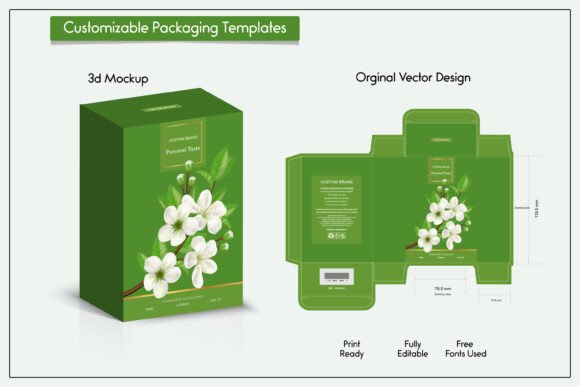
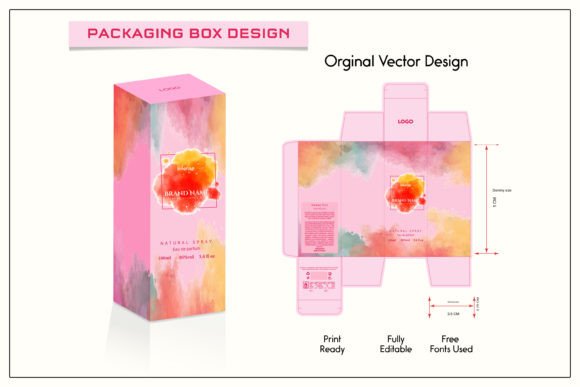
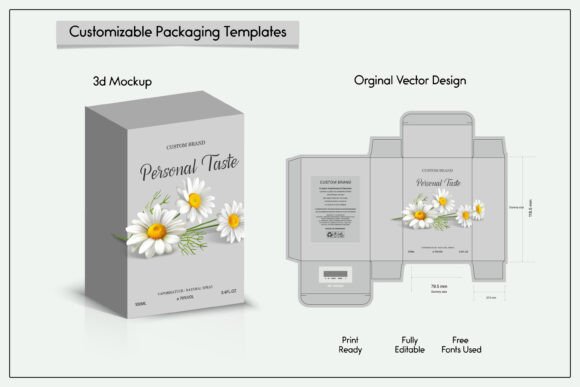
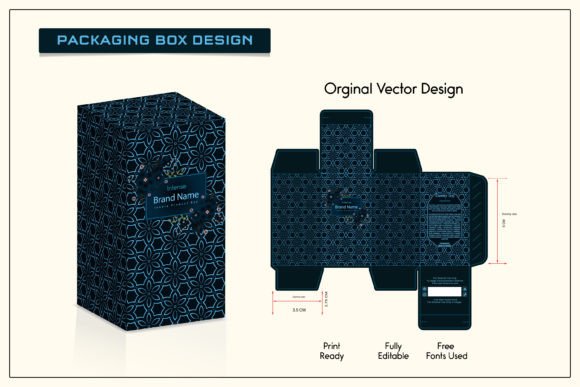
When utilizing a 3D box die line within a design workflow, accuracy is paramount. The die line acts as the blueprint for the manufacturing process, indicating where the material should be cut, folded, and glued. Digital assets that include precise die lines allow designers to align their graphics perfectly with the structural elements of the box. This reduces the risk of costly errors during the printing phase, such as misaligned logos or text being cut off during trimming.
Enhancing Realism with Mockup Labels and Frames
To achieve a photorealistic presentation, designers rely on sophisticated box mockup labels, frames, and design elements. These components add depth and texture to the digital representation, mimicking the way light interacts with different materials such as matte cardboard, glossy finishes, or embossed foil. For instance, in luxury perfume packaging box design, the interplay of light on a gold-foil logo can be the deciding factor in conveying a sense of premium quality.
High-quality mockups often include smart objects or separate layers that allow users to insert their own designs seamlessly. This flexibility ensures that the mockup remains a versatile tool across various projects. Whether you are designing for cosmetics, electronics, or food products, the ability to adjust lighting, shadows, and angles enables a customized presentation that aligns with specific brand guidelines.
Technical Advantages of Vector Design Templates
One of the most significant advantages of using professional digital assets is the inclusion of vector design templates. Unlike raster images, which are composed of pixels and can lose quality when resized, vector graphics are based on mathematical paths. This means they can be scaled to any size without the loss of quality. For packaging design, this is critical because boxes come in various dimensions, from small jewelry cases to large shipping containers.
A library of 100 original vector design and artwork options provides designers with a vast array of creative starting points. These vectors can be converted to any size, allowing for seamless adaptation to different product lines. Furthermore, the ability to create a design and place it above in a separate layer offers non-destructive editing capabilities. Designers can experiment with different color schemes, typography, and graphical elements without altering the underlying structure of the template.
File Formats and Usability
The utility of any digital asset is largely determined by its compatibility with industry-standard software. A comprehensive package typically includes multiple file formats to accommodate different workflows. For example, receiving an AI file allows for full editability in Adobe Illustrator, the industry standard for vector graphics. A PDF print file ensures that the design is ready for professional printing, preserving fonts and vector data. Additionally, JPG files provide quick preview options for web use or initial client approvals.
These files are usually distributed in a compressed format, such as a zip file. Users can easily access the contents using free software like WinRAR or WinZip. It is important to note that these are digital cut files intended for design and visualization purposes. No physical items are mailed, and the templates do not include instructions for constructing the physical box manually. Instead, they serve as the digital blueprint that can be sent to a professional printer or packaging manufacturer.
Who Benefits Most from These Design Resources?
The target audience for high-quality packaging box design and 3D box design assets is diverse. Freelance graphic designers benefit from the time-saving aspects of pre-made templates, allowing them to take on more clients and deliver faster turnaround times. Small business owners, particularly those in e-commerce, can use these tools to create professional-grade product images for their online stores without hiring expensive photography studios.
Marketing agencies and brand consultants find value in the consistency and reliability of vector-based systems. When managing multiple brands, having a standardized approach to packaging visualization ensures that all client deliverables meet a high standard of quality. Educators and students in design fields also benefit from these resources, as they provide real-world examples of how structural design and graphic art intersect.
Practical Considerations and Limitations
While digital templates offer immense value, it is essential to understand their limitations. As noted in the product details, these are mockup files. They are designed for visualization and customization, not for DIY physical construction. Users must still engage with professional printers who can interpret the die lines and produce the physical boxes using appropriate materials and machinery.
Furthermore, while vector designs are scalable, the final print quality depends on the resolution of any raster images embedded within the design and the capabilities of the printing process. Designers should always verify color profiles (CMYK vs. RGB) and bleed settings before sending files to print. The editable nature of the files allows for these adjustments, but it requires a basic understanding of print production principles.
Long-Term Value and Return on Investment
Investing in high-quality design assets yields long-term benefits. A well-designed package can significantly enhance brand recognition and perceived value. By using 3D illustration and realistic mockups, businesses can test different design variations virtually before committing to expensive physical prototypes. This reduces waste and accelerates the time-to-market for new products.
The flexibility of having 100 original vector designs means that these assets can be reused and repurposed across multiple campaigns and product launches. This scalability makes them a cost-effective solution for growing businesses. As brands expand their product lines, the ability to quickly adapt existing templates to new sizes and shapes ensures brand consistency while minimizing design costs.
In conclusion, the integration of packaging box design and 3D box design tools into a creative workflow is a strategic move for any professional involved in product development. By leveraging vector templates, realistic mockups, and precise die lines, designers can create compelling, production-ready packaging that stands out in a crowded marketplace. Whether for luxury perfumes or everyday consumer goods, the right digital assets empower creators to bring their visions to life with precision and professionalism.