Elevating Personalization with Marriage Material 3D Embroidery Design
In an era where mass-produced goods dominate the marketplace, the desire for distinctiveness has never been stronger. Consumers are increasingly seeking items that tell a story, reflect personal identity, and carry a sense of craftsmanship. This shift has placed Marriage Material 3D Embroidery Design at the forefront of modern creative projects, bridging the gap between traditional textile art and contemporary digital precision. Whether you are a professional decorator, a small business owner, or a hobbyist looking to create meaningful keepsakes, understanding the versatility and technical requirements of these designs is essential for achieving high-quality results.
The term "marriage material" in this context refers to durable, high-quality textiles and design elements that symbolize longevity and commitment. When combined with 3D embroidery techniques, these materials transform into tactile, visually striking pieces that stand out from flat, standard stitching. The relevance of this technique extends far beyond wedding ceremonies; it permeates home decor, fashion accessories, and personalized gifting, offering a unique value proposition for creators who wish to offer something truly exceptional.
The Evolution of Textile Personalization
Embroidery has long been associated with heritage and tradition. However, the integration of computerized machine embroidery has revolutionized how these designs are created and applied. The evolution from hand-stitched motifs to complex, digitized 3D patterns allows for greater consistency, speed, and intricate detail. Today’s users expect more than just a name stitched onto a towel; they seek depth, texture, and professional finishing that mimics high-end boutique quality.
This changing habit among consumers drives the demand for versatile design files that can adapt to various fabrics and machines. The modern workflow for creators involves selecting designs that are not only aesthetically pleasing but also technically robust. A well-digitized 3D design accounts for fabric tension, thread type, and stabilizer requirements, ensuring that the final product maintains its shape and integrity over time. This reliability is crucial for businesses aiming to build a reputation for quality and durability.
Versatility Across Applications
One of the most compelling aspects of Marriage Material 3D Embroidery Design is its adaptability. These designs are not limited to a single use case; instead, they can be seamlessly integrated into a wide array of products. Understanding how to apply these designs to different items can help creators expand their offerings and meet diverse customer needs.
Wedding Decor and Keepsakes
Weddings remain a primary market for personalized embroidery. From monogrammed table runners to custom chair sashes, 3D embroidery adds a layer of luxury to event decor. The raised texture of 3D stitching catches light beautifully, enhancing the visual appeal of reception halls and ceremony spaces. Furthermore, items such as embroidered ring bearer pillows or guest book covers become cherished heirlooms, preserving the memory of the day in a tangible format.
Fashion and Accessories
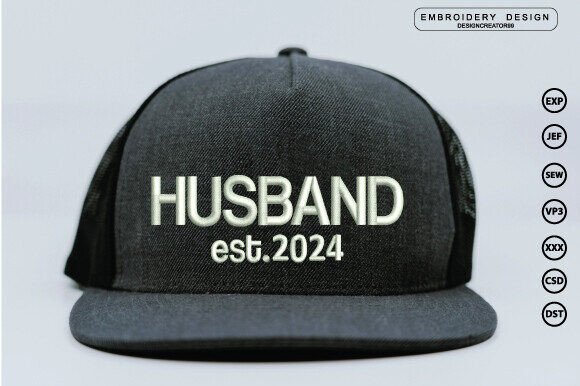
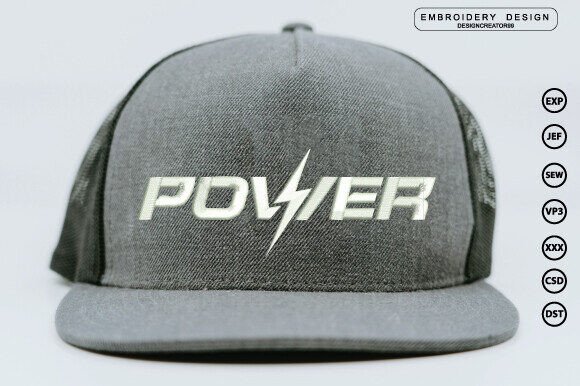
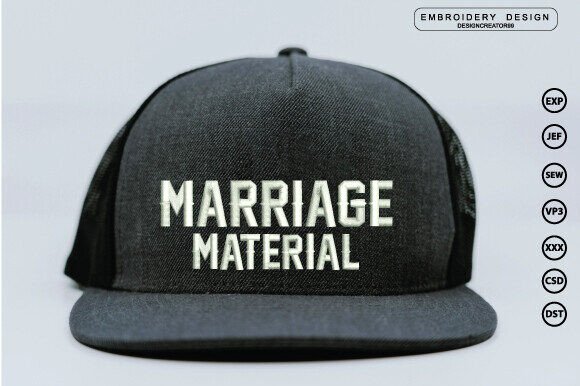
Beyond the wedding day, these designs find a natural home in everyday fashion. Hats, t-shirts, and tote bags benefit significantly from the bold presence of 3D embroidery. On caps, the technique is often used for logos or initials, providing a structured, professional look that flat embroidery cannot achieve. For t-shirts and tote bags, careful placement and appropriate stabilizers ensure that the weight of the 3D foam does not distort the fabric, maintaining comfort and usability. This application appeals to individuals looking for unique, custom apparel that stands out in a crowded retail environment.
Home Decor and Gifts
Pillows and throw blankets adorned with 3D embroidered motifs bring warmth and personality to living spaces. The tactile nature of the stitching invites touch, adding a sensory dimension to home decor. Additionally, these designs make for thoughtful gifts. Whether it is a housewarming present or a anniversary celebration, a custom-embroidered item demonstrates effort and consideration, elevating the perceived value of the gift.
Technical Compatibility and File Formats
To successfully implement Marriage Material 3D Embroidery Design, creators must ensure compatibility with their specific embroidery machines. The diversity of machine brands and models necessitates a wide range of file formats. A comprehensive design package should include multiple formats to accommodate various systems, reducing the need for third-party conversion tools which can sometimes compromise design integrity.
The following nine formats are typically included in professional design files, ensuring broad usability:
- PES: Compatible with Brother, Deco, and Babylock machines. This is one of the most common formats for home and semi-professional users.
- DST: The industry standard for Tajima machines, widely supported by many commercial embroidery systems.
- EXP: Designed for Melco machines, known for their precision in commercial settings.
- HUS: Specific to Husqvarna and Viking models, offering optimized performance for these brands.
- JEF: Used by Janome, Elna, and Kenmore machines, providing reliable stitch data for these popular household brands.
- VP3: Another format for Husqvarna and Viking, often used for more complex design features.
- VIP: Also compatible with Husqvarna and Viking systems, ensuring flexibility for users of these machines.
- XXX: A universal format often used for cross-compatibility, though specific machine optimization is preferred.
- SEW: Compatible with Janome, Elna, and Kenmore, offering an alternative to JEF for certain older or specific models.
Having access to this variety of formats means that whether you are using a compact home machine or a multi-needle commercial unit, you can utilize the design without significant technical hurdles. This inclusivity supports a broader range of creators, from beginners experimenting with their first machine to established businesses running multiple units.
Practical Implications for Creators and Businesses
For entrepreneurs and freelancers, incorporating 3D embroidery into their service offerings can differentiate them from competitors. The perceived value of 3D embroidered items is higher due to the complexity and visual impact of the technique. However, this comes with the responsibility of mastering the technical aspects. Proper hooping, stabilizer selection, and thread tension adjustments are critical to preventing issues such as puckering or thread breaks.
Professionals should consider the end-use of the product when selecting designs. For items that will undergo frequent washing, such as t-shirts and tote bags, durability tests are recommended. Ensuring that the 3D foam and stitching withstand laundering maintains customer satisfaction and reduces returns. For decorative items like wedding decor, the focus may shift more towards aesthetic perfection and less towards rugged durability, allowing for more delicate thread choices.
Moreover, marketing these products effectively requires highlighting the craftsmanship involved. Educating customers about the difference between flat and 3D embroidery can justify premium pricing. Visual content, such as close-up videos showing the texture and depth of the stitching, can be powerful tools in conveying quality through digital channels.
Adapting to Modern Workflow Expectations
The modern creator values efficiency and reliability. Digital designs that are well-tested and formatted correctly save time and reduce frustration. By choosing Marriage Material 3D Embroidery Design packages that offer comprehensive format support, users streamline their workflow. This allows them to focus on creativity and customer interaction rather than troubleshooting file compatibility issues.
Additionally, the trend towards sustainability and mindful consumption aligns well with customized embroidery. Instead of discarding fast-fashion items, consumers are investing in personalized, high-quality pieces that last longer. Creators can tap into this mindset by promoting the longevity and timeless appeal of their embroidered products. This approach not only meets current market preferences but also contributes to a more sustainable creative practice.
In conclusion, the integration of 3D embroidery into various products offers a pathway to distinctiveness and quality. By understanding the technical requirements, leveraging the versatility of applications, and adhering to best practices in production, creators can deliver exceptional value to their clients. The availability of multiple file formats ensures that this art form is accessible to a wide audience, fostering a community of skilled artisans who continue to push the boundaries of textile personalization.