Elevating Personal Projects with the Husband 3D Embroidery Design
In the evolving world of machine embroidery, personalization has moved far beyond simple monograms. Today, hobbyists and professional digitizers alike are seeking designs that carry emotional weight, humor, and a distinct visual pop. This is where the Husband 3D Embroidery Design has carved out a unique niche. It is not merely a pattern; it is a statement piece that blends technical precision with sentimental value. Whether you are running a small home-based business or creating heartfelt gifts for family members, understanding how to effectively utilize this specific design can transform standard textile projects into memorable keepsakes.
The appeal of this design lies in its versatility and the dimensional quality that "3D" implies. Unlike flat satin stitches, a 3D embroidery effect often utilizes puff foam or dense underlay techniques to make the text or image rise off the fabric. When applied to the concept of a "Husband" theme—whether it is a playful title, a silhouette, or a humorous quote—the result is tactile and eye-catching. This article explores the practical applications, technical requirements, and creative possibilities of integrating the Husband 3D Embroidery Design into your modern embroidery workflow.
Why the 3D Effect Matters in Modern Embroidery
The term "3D" in embroidery usually refers to puffy embroidery, a technique that creates a raised, three-dimensional appearance. This is achieved by placing a layer of foam beneath the stitching. As the needle penetrates the foam and fabric, the stitches compress the foam slightly, but the surrounding areas remain raised, giving the design significant depth. For a Husband 3D Embroidery Design, this technique adds a layer of sophistication and fun that flat stitching simply cannot match.
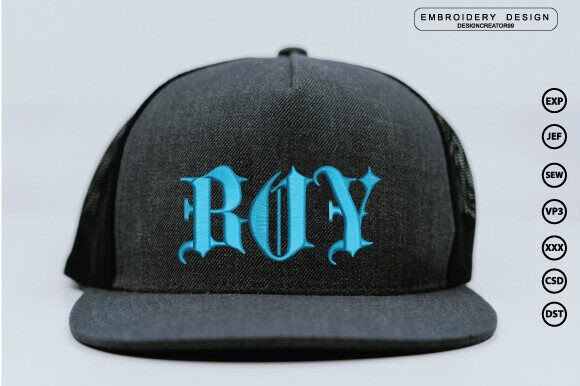
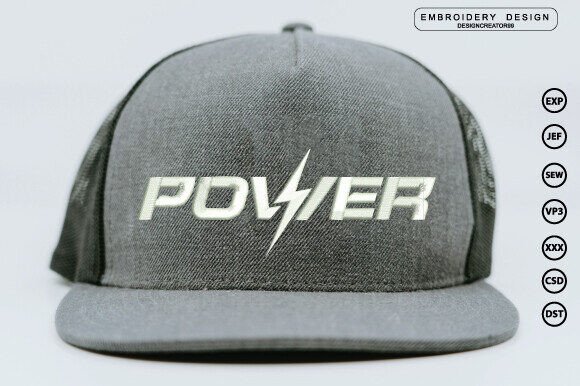
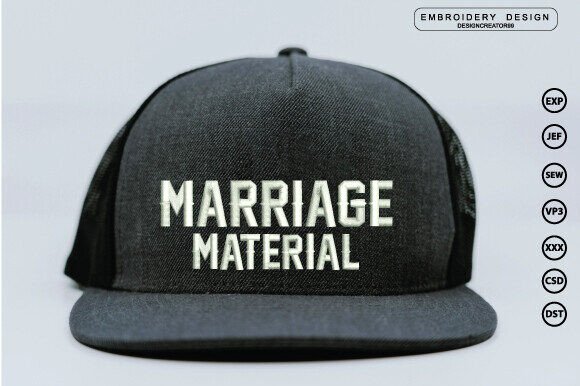
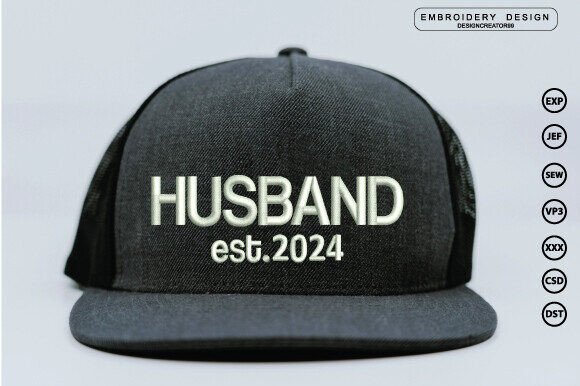
Consider the visual impact on a baseball cap. A flat embroidered word might look standard, but when that same word pops out in 3D, it commands attention. This is particularly effective for titles or roles, such as "Husband," "Dad," or "Best Hubby." The texture invites touch, making the item more engaging. Furthermore, the boldness of 3D stitching holds up well over time, resisting the flattening that can sometimes occur with high-traffic items like hats and bags.
Versatile Applications Across Home and Wardrobe
One of the strongest selling points of the Husband 3D Embroidery Design is its adaptability. It is not limited to a single type of garment or accessory. Here is how you can leverage this design across various mediums:
- Hats and Caps: This is the most popular application. The curved front panel of a baseball cap provides the perfect canvas for 3D lettering. The design looks crisp, professional, and stylish, making it an ideal gift for anniversaries, Father’s Day, or just because.
- T-Shirts and Apparel: While 3D embroidery is heavier, it works beautifully on thicker fabrics like hoodies, sweatshirts, or denim jackets. For t-shirts, ensure the stabilizer is robust enough to handle the pull of the puff foam without distorting the knit fabric.
- Pillows and Home Decor: Imagine a decorative throw pillow on a living room couch featuring a subtle yet textured "Husband" motif. It adds a personalized touch to home decor that feels custom-made rather than store-bought.
- Gifts and Keepsakes: From tote bags to aprons, this design serves as a centerpiece for gifts. It transforms ordinary items into cherished memories, perfect for weddings, engagements, or milestone anniversaries.
When planning your project, always consider the end-use. A hat worn outdoors needs durable thread and secure backing, while a pillow indoors allows for more delicate aesthetic choices. The Husband 3D Embroidery Design is robust enough to handle both scenarios when executed correctly.
Technical Compatibility and File Formats
A major concern for any embroiderer is whether a design will work with their specific machine. The beauty of purchasing a high-quality digital design package is the inclusion of multiple file formats. The Husband 3D Embroidery Design typically comes in a comprehensive suite of formats to ensure broad compatibility. Understanding these formats helps you avoid conversion errors that can ruin stitch quality.
The following nine formats are generally included in the file package, covering the vast majority of consumer and semi-professional machines:
- PES: The standard format for Brother and Babylock machines. This is one of the most widely used formats in the home embroidery community.
- DST: The industry-standard format for Tajima machines. It is also compatible with many other brands through converters, making it a safe backup choice.
- EXP: Specifically designed for Melco machines, known for their precision in commercial settings.
- HUS: The native format for older Husqvarna Viking models. If you are using a legacy machine, this file ensures optimal performance.
- JEF: Used by Janome, Elna, and Kenmore machines. This format is essential for users of these popular brands.
- VP3: A newer format for Husqvarna Viking machines, offering enhanced data capabilities for complex designs.
- VIP: Another format associated with Husqvarna Viking, often used for specific software integrations.
- XXX: Compatible with Singer and some older Compucon machines. It is a versatile format for basic stitch data.
- SEW: Used by Janome, Elna, and Kenmore, similar to JEF but sometimes preferred for specific model compatibilities.
Having access to all these formats means you do not need to rely on third-party conversion software, which can sometimes alter stitch density or pathing. You can load the file directly into your machine’s interface, ensuring that the Husband 3D Embroidery Design renders exactly as the digitizer intended.
Best Practices for Stitching 3D Designs
While the file formats ensure compatibility, the actual stitching process requires attention to detail. 3D embroidery is less forgiving than flat embroidery. Here are some practical tips to ensure your Husband 3D Embroidery Design looks perfect:
Choose the Right Foam: Use high-quality puff foam that is appropriate for the thickness of your design. Typically, 2mm or 3mm foam is standard for lettering. Ensure the foam is cut slightly larger than the design area to prevent edge issues.
Stabilization is Key: Because 3D stitching pulls on the fabric, strong stabilization is non-negotiable. Use a cut-away stabilizer for stretchy fabrics like t-shirt knits, and a tear-away for stable woven fabrics like hat buckram. Hoop your fabric tightly to prevent shifting.
Thread Tension: Check your tension before starting. 3D designs often require slightly tighter upper tension to cover the foam effectively. Test stitch on a scrap piece of fabric with foam to adjust your settings.
Trimming the Foam: After stitching, carefully trim the excess foam close to the stitch line. Use sharp scissors or a hot knife tool to melt the edges slightly, preventing fraying and giving a clean, professional finish.
Integrating into Your Creative Workflow
For those running an embroidery business, the Husband 3D Embroidery Design is a valuable asset. It taps into the evergreen market of personalized gifts. Men’s fashion and accessories often lack the variety found in women’s lines, so bold, textured designs offer a fresh alternative. You can market these designs as part of a "His and Hers" collection, pairing the Husband design with a complementary Wife or Partner design.
From a workflow perspective, having a pre-digitized 3D design saves hours of work. Digitizing for puff embroidery is complex; it requires specific underlay patterns and stitch angles to ensure the foam lifts correctly without breaking threads. By using a ready-made Husband 3D Embroidery Design, you bypass the technical hurdles and focus on production and customer service.
Moreover, the emotional connection people have with their relationships drives sales. A hat that says "Husband" in bold, raised letters is not just an accessory; it is a badge of pride. This emotional resonance makes the design highly shareable on social media, providing organic marketing for your creations.
Final Thoughts on Quality and Selection
When selecting embroidery designs, always prioritize quality over quantity. A well-digitized Husband 3D Embroidery Design will have clean jump stitches, appropriate density, and a logical stitch path. Poorly digitized designs can lead to thread breaks, bird nests, and distorted foam. The inclusion of multiple file formats like PES, DST, and JEF indicates a professional approach to product creation, ensuring that regardless of your machine brand, you can achieve superior results.
Whether you are stitching for profit or pleasure, embracing the dimensional aspect of 3D embroidery opens up new creative avenues. The Husband 3D Embroidery Design stands out as a practical, stylish, and emotionally resonant choice for modern embroiderers. By combining the right materials, proper technique, and high-quality digital files, you can create items that are not only visually striking but also deeply meaningful.