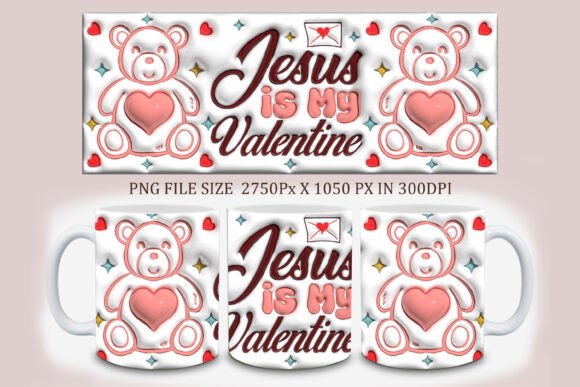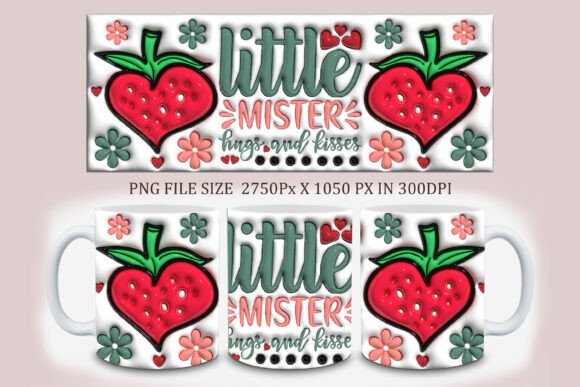
Mastering 3D Mug Design: A Guide to Little Mister Hugs and Inflated Valentine’s Day Art
In the rapidly evolving world of print-on-demand and custom merchandise, the visual appeal of a product is often the deciding factor for a customer. Among the most popular items in this space are mugs, which serve as both functional daily tools and canvases for personal expression. Specifically, 3D mug design has emerged as a trending aesthetic, offering depth, texture, and a playful realism that flat graphics simply cannot match. This article explores the intricacies of creating and utilizing high-quality 3D designs, with a specific focus on the charming "Little Mister Hugs" and the whimsical "3D Inflated Valentine’s Day Mug Design."
Whether you are a seasoned graphic designer or a beginner looking to start a side hustle, understanding how to leverage these digital assets can significantly enhance your creative portfolio. By examining the technical specifications, practical applications, and artistic value of these designs, we can better appreciate their role in modern creativity and commerce.
The Rise of 3D Aesthetics in Sublimation Printing
To understand why designs like Little Mister Hugs are so effective, one must first grasp the concept of 3D aesthetics in two-dimensional printing. While the final product is printed on a flat surface, the artwork itself is rendered to simulate three-dimensional objects. This technique uses shading, lighting, and perspective to create an illusion of volume. When applied to curved surfaces like mugs, this effect is amplified, making the characters or objects appear as if they are popping out of the ceramic.
This style is particularly powerful for emotional connection. The "Little Mister" character, often depicted in scenarios involving hugs and kisses, utilizes soft textures and rounded forms that evoke feelings of warmth and affection. In the context of Valentine’s Day, the "3D Inflated" style adds a layer of playfulness. The balloon-like appearance of the characters suggests lightness and joy, making the design not just visually striking but emotionally resonant. For businesses, this translates to higher engagement rates, as customers are drawn to products that feel tactile and inviting, even before they purchase them.
Technical Specifications: Why Quality Matters
When working with digital assets for sublimation, the technical quality of the file is paramount. A common misconception among beginners is that any image found online can be printed on a mug with professional results. However, the reality is quite different. The designs discussed here, including the Little Mister Hugs and Kisses collection, are provided as high-resolution digital files specifically engineered for print.
- Resolution: The files are provided at 300 DPI (Dots Per Inch). This is the industry standard for high-quality printing. Lower resolutions may look acceptable on a screen but will appear pixelated and blurry when printed on physical products.
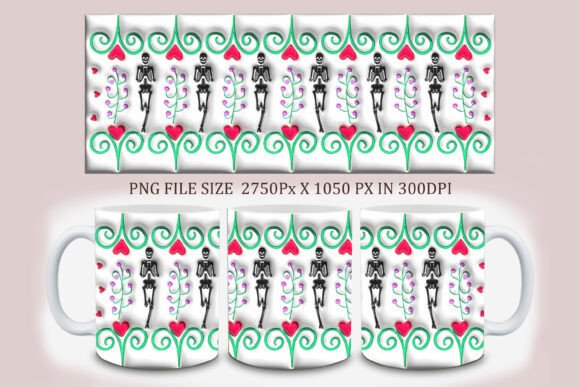
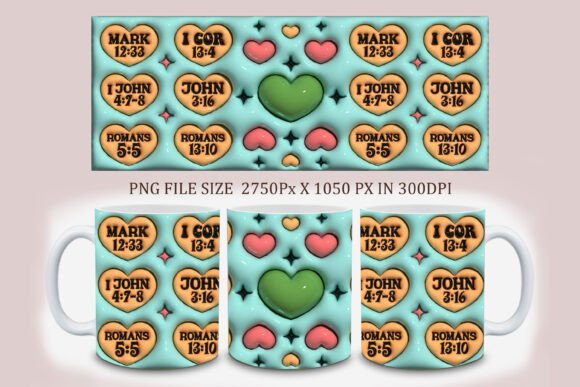
- Dimensions: The specific dimensions for the 11oz mug design are 2700px by 1050px. This aspect ratio corresponds to the wrap-around nature of an 11-ounce mug, which typically measures 9 inches in circumference and 3.5 inches in height.
- File Format: The designs are available in PNG and JPG formats. PNG is particularly valuable because it supports transparency, allowing designers to place the 3D characters over different background colors or patterns without a white box surrounding the image.
It is important to note that you will need a computer to unzip these files and a design editing program that supports JPG and PNG file formats to use them effectively. Software such as Adobe Photoshop, Canva, or CorelDRAW can handle these files, allowing you to position the artwork precisely within the print template.
Versatility Beyond the Mug
While the primary focus of these assets is the 11oz mug, their utility extends far beyond coffee cups. The versatility of high-quality clip art lies in its adaptability. These quality clip art designs are perfect for a multitude of creative projects. Understanding how to repurpose these designs can maximize the return on investment for creators.
- Apparel and Textiles: The same 3D character designs can be scaled and adjusted for t-shirts, pillows, and tote bags. The soft, inflated look of the Valentine’s design works exceptionally well on plush pillows, enhancing the tactile expectation of the product.
- Paper Goods: Cards and scrapbooks benefit greatly from high-resolution PNGs. The clarity of the 3D rendering ensures that even small details, such as the expression on "Little Mister’s" face, remain sharp and engaging.
- Home Decor: Frame artwork and stickers allow for smaller-scale applications. A framed print of the "Little Mister Hugs" design can serve as nursery decor, while stickers can be used for planners, laptops, or water bottles.
This cross-platform usability makes these digital packs an essential tool for designers who manage multiple product lines. Instead of creating unique artwork for every item, a single high-quality 3D design can be adapted across an entire catalog, ensuring brand consistency and saving valuable time.
Navigating Color Accuracy and Print Variations
One of the most critical aspects of digital design for physical products is managing expectations regarding color. A frequent point of confusion for new sellers is the discrepancy between what is seen on a monitor and what appears on the final product. It is essential to communicate that actual colors may vary slightly due to monitor settings. Screens emit light, while prints reflect it, leading to inherent differences in brightness and saturation.
Furthermore, depending on how you choose to print out the image, colors and quality may vary. Sublimation printing, which is the standard method for polyester-coated mugs and fabrics, involves transferring dye into the material using heat and pressure. Factors such as temperature, press time, and the quality of the blank product all influence the final outcome. For instance, a mug with a cooler color tone might make the reds in a Valentine’s design appear deeper, while a warmer mug might make them appear brighter.
To mitigate these issues, experienced designers often create test prints. By printing a small batch and adjusting the color profiles in their editing software, they can achieve a result that closely matches their digital vision. This iterative process is a key component of professional print-on-demand workflows.
Integrating 3D Designs into Modern Creativity
In today’s digital-first economy, the ability to produce high-quality, emotionally engaging content is a valuable skill. Designs like the 3D Inflated Valentine’s Day Mug are not just pretty pictures; they are tools for storytelling. They allow creators to convey messages of love, comfort, and joy without using words. This non-verbal communication is powerful in marketing, where capturing attention quickly is essential.
For educators and parents, these designs can also play a role in creative activities. Printing these characters onto cards or scrapbooks can be part of a DIY project for children, teaching them about design, spacing, and color theory in a hands-on way. The approachable nature of the "Little Mister" character makes it suitable for all ages, bridging the gap between professional design and amateur creativity.
Moreover, the trend towards personalized gifts continues to grow. Consumers are increasingly seeking items that feel unique and special. A mug featuring a specific 3D design that resonates with their personality or relationship status offers a level of customization that mass-produced items cannot. By utilizing these pre-made, high-quality assets, small business owners can offer this personalization at scale, meeting market demand efficiently.
Best Practices for Using Digital Clip Art
To ensure the best results when using these 3D mug designs, consider the following best practices:
- Check Licensing: Always verify the usage rights associated with digital downloads. Ensure you have the commercial license if you plan to sell products featuring the design.
- Maintain Resolution: Never upscale a low-resolution image. Start with the provided 2700px x 1050px file to ensure crisp edges and clear details.
- Test Your Printer: As mentioned, colors vary. Perform test prints on different materials to understand how your specific equipment handles the 3D shading and gradients.
- Contextualize the Design: Consider the background. Since these are 3D designs, placing them on a background that complements the lighting and shadow direction will enhance the realistic effect.
In conclusion, the integration of 3D mug designs like Little Mister Hugs and the 3D Inflated Valentine’s Day series represents a sophisticated blend of technology and artistry. By understanding the technical requirements, appreciating the versatility of the formats, and managing print expectations, creators can produce stunning, professional-grade products. Whether for personal enjoyment or commercial enterprise, these designs offer a pathway to creating meaningful, visually captivating items that resonate with audiences in a crowded marketplace.