Mastering 3D Mug Design: A Guide to Valentine’s Day Skeleton and Inflated Heart Artwork
In the rapidly evolving world of print-on-demand and custom merchandise, the ability to create visually striking products is more valuable than ever. Among the most popular items for personalization is the standard ceramic mug. However, moving beyond simple text or flat graphics requires a deeper understanding of 3D mug design. This article explores the intricacies of creating high-quality sublimation artwork, with a specific focus on trending themes such as the Valentine’s Day Skeleton and the whimsical 3D Inflated Valentine’s Day Skeleton Heart Mug Design. Whether you are a seasoned designer or a beginner looking to enter the creative market, understanding these elements is crucial for success.
The Rise of Niche Aesthetics in Modern Merchandise
Modern consumers are increasingly drawn to unique, niche aesthetics that reflect their personality. The juxtaposition of macabre imagery with romantic themes—such as skeletons celebrating Valentine’s Day—has gained significant traction. This trend, often referred to as "pastel goth" or "creepy cute," appeals to a broad audience who appreciate humor and irony in their daily accessories. By utilizing high-quality clip art designs featuring these motifs, creators can tap into a lucrative market segment that values originality over generic store-bought items.
The significance of this trend lies in its versatility. These designs are not limited to mugs; they are perfect for a multitude of creative projects including sublimation products, cards, frame artwork, scrapbooks, t-shirts, pillows, bags, and stickers. Understanding how to adapt a single design across various mediums is a key skill for any digital artist or entrepreneur.
Understanding 3D Mug Design Specifications
To achieve professional results, one must adhere to strict technical specifications. A common misconception is that any image can be printed on a mug with equal quality. In reality, the resolution and dimensions are paramount. For a standard 11-ounce mug, the ideal print area is typically 9 x 3.5 inches. When translated into digital pixels at a high-quality print resolution of 300 DPI (dots per inch), this results in a canvas size of 2700px x 1050px.
Using a digital file in PNG format at this resolution ensures that the final product is crisp, vibrant, and free from pixelation. The PNG format is particularly advantageous because it supports transparency, allowing designers to layer elements seamlessly without unwanted white backgrounds interfering with the mug’s base color.
Deconstructing the Valentine’s Day Skeleton Theme
The Valentine’s Day Skeleton theme offers a playful twist on traditional holiday imagery. Instead of conventional Cupids and roses, these designs feature skeletal figures engaged in romantic gestures. This approach humanizes the concept of mortality while celebrating love, making it both thought-provoking and entertaining. When designing for this theme, consider the following elements:
- Character Expression: Ensure the skeleton’s pose conveys emotion, whether it is joy, affection, or humor.
- Color Palette: Use soft pastels like pink, red, and lavender to soften the starkness of the bone structure, aligning with the Valentine’s aesthetic.
- Contextual Props: Incorporate hearts, flowers, or chocolates to reinforce the holiday theme.
These quality clip art designs serve as the foundation for your projects. They allow you to focus on layout and composition rather than drawing complex illustrations from scratch. This efficiency is vital for businesses aiming to release timely collections for seasonal holidays.
The Appeal of 3D Inflated Designs
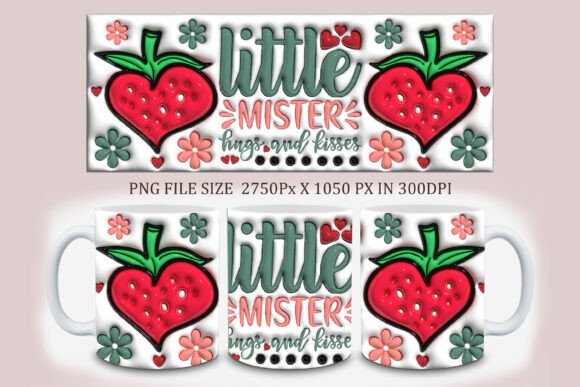
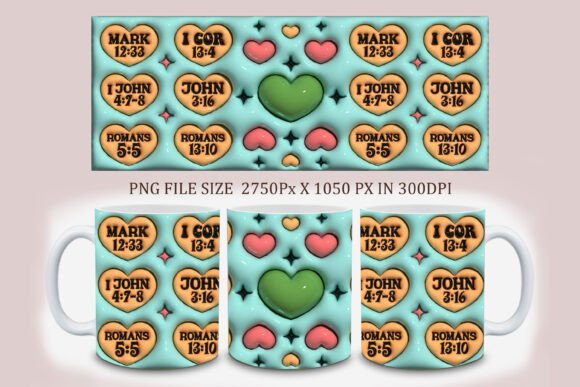
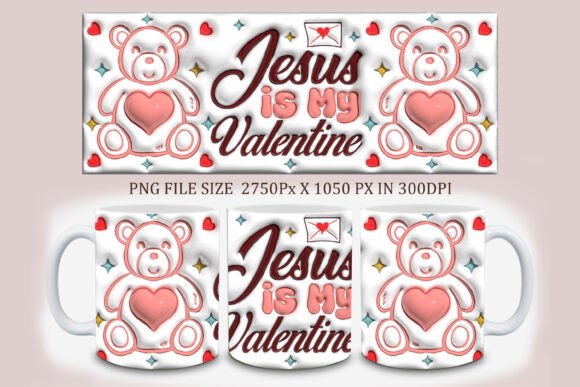
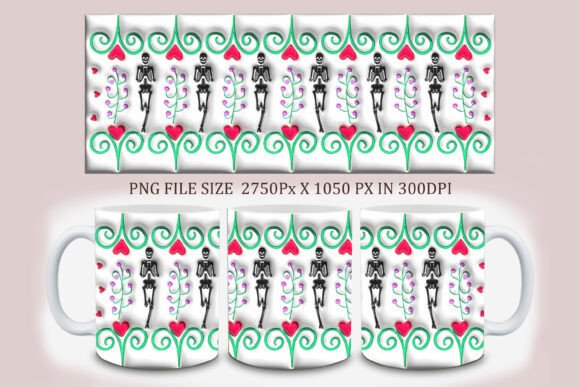
A standout variation in this niche is the 3D Inflated Valentine’s Day Skeleton Heart Mug Design. This style mimics the look of balloon art or inflatable plastics, adding a sense of depth and tactile realism to the two-dimensional surface of a mug. The "inflated" effect creates shadows and highlights that trick the eye into perceiving volume, making the design pop off the ceramic surface.
This technique enhances the visual interest of the product. When a customer sees a mug with a 3D-rendered heart held by a skeleton, the interplay of light and shadow adds a premium feel to the item. It transforms a simple drinking vessel into a piece of functional art. For designers, achieving this look requires careful attention to lighting effects and gradient shading within the digital file.
Practical Application: From Digital File to Physical Product
Creating the design is only half the battle; preparing it for production is equally important. To use these digital assets effectively, you will need a computer to unzip the downloaded files and a design editing program that supports JPG and PNG file formats. Popular software options include Adobe Photoshop, Illustrator, Canva, or Affinity Designer.
- Unzip the Files: Download the compressed folder containing your clip art and extract the contents to an accessible directory.
- Import into Software: Open your preferred design program and import the PNG file. Ensure the resolution remains at 300 DPI to maintain quality.
- Adjust and Customize: You may choose to add text, adjust colors, or combine multiple elements. Remember that actual colors may vary slightly due to monitor settings.
- Export for Printing: Save your final design in the required format, ensuring it matches the 2700px x 1050px dimensions for an 11oz mug.
It is essential to note that depending on how you choose to print out the image, colors and quality may vary. Sublimation printing, the most common method for full-wrap mugs, relies on heat to transfer dye into the material. Factors such as printer calibration, ink quality, and heat press temperature can influence the final outcome. Therefore, always perform test prints to ensure color accuracy before launching a product line.
Expanding Beyond Mugs: Versatility in Creative Projects
While mugs are a primary focus, the utility of these designs extends far beyond beverage containers. The same high-resolution PNG files can be applied to various substrates, maximizing the value of your creative assets. For instance:
- T-Shirts and Apparel: Use the skeleton heart design for trendy fashion statements.
- Home Decor: Apply the artwork to pillows and bags for cohesive interior styling.
- Paper Goods: Print on cards and scrapbooks for personalized gifts.
- Stickers: Create die-cut stickers for laptops and water bottles.
This versatility allows creators to build a comprehensive brand identity. By maintaining consistent imagery across different products, you strengthen brand recognition and customer loyalty. Furthermore, offering a range of products caters to different customer preferences and price points, enhancing overall business resilience.
Common Misunderstandings in Digital Design
One common assumption is that digital designs look exactly the same on screen as they do in print. This is rarely the case. Monitors emit light, while printed materials reflect light, leading to differences in brightness and saturation. Additionally, the color profile (RGB for screens vs. CMYK for print) plays a significant role. While sublimation often uses RGB-based workflows, understanding these distinctions helps manage expectations.
Another misunderstanding is that higher resolution always equals better quality. While 300 DPI is standard for close-view items like mugs, excessively large files can slow down workflow without providing visible benefits. Sticking to the recommended 2700px x 1050px for 11oz mugs strikes the perfect balance between quality and performance.
Conclusion: Embracing Creativity and Precision
In conclusion, mastering 3D mug design involves a blend of artistic vision and technical precision. By leveraging trending themes like the Valentine’s Day Skeleton and the 3D Inflated Valentine’s Day Skeleton Heart Mug Design, creators can produce engaging, marketable products. Adhering to proper file specifications, understanding the limitations of digital-to-print color translation, and exploring diverse applications for your designs are key steps toward success.
Whether you are designing for personal enjoyment or commercial gain, the principles outlined here provide a solid foundation. Remember to experiment, test, and refine your process. With the right tools and knowledge, you can transform simple digital files into cherished physical items that bring joy to customers around the world. For more resources on design techniques and sublimation tips, consider exploring online communities and tutorials dedicated to print-on-demand entrepreneurship.