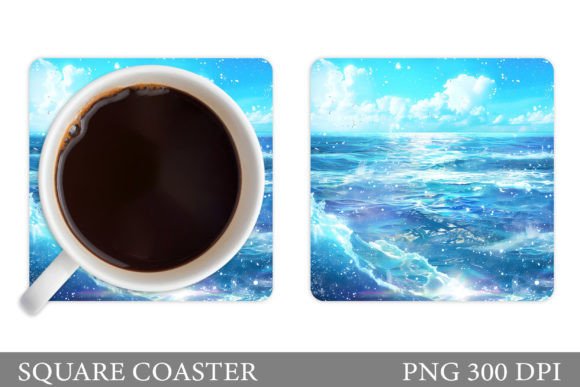
Understanding 3D Sea Coaster Design and Ocean-Themed Sublimation Options
Home décor and functional accessories have evolved significantly in recent years, moving beyond simple utility to become expressions of personal style and artistic preference. Among the various trends gaining traction is the 3D Sea Coaster Design, a product category that merges practicality with immersive visual artistry. For consumers evaluating options for their living spaces or seeking unique gift ideas, understanding the nuances of these designs is essential. This article explores the characteristics of the 3D Ocean Coaster, compares it with traditional alternatives, and provides a framework for deciding whether this specific aesthetic and format aligns with your needs.
Defining the 3D Ocean Coaster Aesthetic
The term 3D Sea Coaster Design refers to coasters that utilize high-resolution imagery and printing techniques to create an illusion of depth and texture. Unlike flat, two-dimensional prints, these designs often feature layered elements such as crashing waves, translucent water effects, or marine life that appears to float above the surface. The goal is to transform a mundane object into a miniature window into an aquatic environment.
The appeal of the 3D Ocean Coaster lies in its ability to evoke tranquility and connection to nature. For many adults aged 20–50, home environments serve as sanctuaries from busy professional lives. Incorporating elements of the sea through these coasters can contribute to a calming atmosphere. The visual complexity of these designs requires high-quality source files, typically provided at 300 DPI (dots per inch), to ensure that the intricate details remain sharp when printed. A standard file might include a PNG image sized at 4x4 inches, optimized for sublimation processes.
Sublimation vs. Traditional Printing Methods
When evaluating a 3D Sea Coaster Design, it is crucial to understand the production method, as this directly impacts durability and visual fidelity. Sublimation is the predominant technique used for these products. In this process, special inks are transferred onto a polymer-coated surface using heat and pressure. The ink turns into a gas and bonds with the material, resulting in a print that is resistant to fading, scratching, and peeling.
Comparing sublimation to other methods highlights distinct tradeoffs:
- Sublimation: Offers vibrant, full-color images that penetrate the coating. It is ideal for complex gradients found in ocean scenes. However, it requires specific blank substrates (usually white or light-colored) and equipment.
- Direct-to-Object Printing: Can print on darker surfaces but may lack the same level of vibrancy and durability as sublimation. The ink sits on top of the surface rather than bonding with it.
- Vinyl Decals: A cost-effective alternative for DIY enthusiasts, but decals can peel over time, especially when exposed to moisture from cold drinks. They rarely achieve the seamless "3D" look of a high-quality sublimated print.
For those purchasing digital assets, such as a zip file containing a 300 DPI PNG for a 4x4 inch coaster, the expectation is that the user will employ sublimation. This method ensures that the 3D Ocean Coaster retains its visual integrity even after repeated use and washing.
Evaluating Material Choices: Cork, Hardboard, and Ceramic
The substrate chosen for a 3D Sea Coaster Design plays a pivotal role in both functionality and aesthetics. While the image provides the visual appeal, the material determines how well the coaster performs its primary job: protecting surfaces from heat and moisture.
Cork-Backed Hardboard
This is the most common choice for sublimation coasters. The hardboard top provides a smooth, rigid surface for the 3D Ocean Coaster image, while the cork backing prevents slipping and protects furniture from scratches. This combination is lightweight, cost-effective, and offers decent heat resistance. However, cork can degrade over time if constantly exposed to standing water, requiring users to wipe spills promptly.
Ceramic and Stone
Ceramic coasters offer a premium feel and superior heat retention. A 3D Sea Coaster Design printed on ceramic via sublimation can feel more substantial and luxurious. The downside is fragility; ceramic can chip or break if dropped. Additionally, ceramic coasters are heavier, which may not be ideal for outdoor settings or casual gatherings where lightweight options are preferred.
Resin and Epoxy
For a true three-dimensional effect, some creators embed printed images under layers of resin. This creates actual depth, distinct from the visual illusion of a flat sublimated print. While visually striking, resin coasters are more labor-intensive to produce and often more expensive. They are also susceptible to yellowing over time if not UV-stabilized.
Design Considerations and Visual Impact
The effectiveness of a 3D Sea Coaster Design depends heavily on the quality of the source image. High-resolution files, such as the 300 DPI PNGs commonly sold in digital marketplaces, are non-negotiable for professional results. Lower resolution images will appear pixelated, breaking the immersion of the 3D effect.
When selecting a design, consider the color palette of the room. Ocean themes typically dominate with blues, teals, and whites. These colors are versatile and pair well with modern, coastal, or minimalist interiors. However, if a room features warm earth tones, a stark blue 3D Ocean Coaster might clash unless balanced with other decorative elements.
Another factor is the composition of the image. Designs with a central focal point, such as a sea turtle or a specific wave crest, draw the eye immediately. In contrast, abstract water patterns provide a more subtle background accent. Users should evaluate whether they want the coasters to be conversation starters or complementary background details.
Practical Use Cases and Limitations
Understanding when to choose a 3D Sea Coaster Design involves assessing your specific lifestyle and usage scenarios. These coasters excel in environments where aesthetics are prioritized alongside function. They are particularly suitable for:
- Home Offices and Study Areas: Adding a touch of nature can reduce stress during work hours.
- Guest Rooms: Providing a thoughtful, themed amenity for visitors.
- Gift Giving: Customizable and visually appealing, making them ideal for housewarmings or birthdays.
However, there are limitations. Sublimated coasters, while durable, are not indestructible. They should not be used with extremely hot items directly from the oven, as excessive heat can damage the polymer coating. Furthermore, while the cork backing protects tables, it is not waterproof. Leaving a wet glass on the coaster for extended periods can lead to moisture seeping into the cork, potentially causing mold or degradation.
For outdoor use, such as on patios or by pools, standard sublimated hardboard coasters may not withstand prolonged exposure to sunlight and rain. In these cases, UV-resistant materials or sealed stone options might be more appropriate, even if they lack the specific 3D Ocean Coaster vibrancy.
Making an Informed Decision
Choosing the right coaster involves balancing visual desire with practical reality. If you are drawn to the 3D Sea Coaster Design for its aesthetic value, ensure that you are prepared to maintain it properly. This includes wiping up spills quickly and avoiding abrasive cleaners that could scratch the surface.
For DIY enthusiasts purchasing digital files, verify that your printer and heat press are calibrated correctly. A misaligned press can result in ghosting or uneven color transfer, ruining the 3D effect. The inclusion of a "Thank you for visiting my store" note in digital downloads suggests a focus on customer service, but the onus of quality control lies with the creator.
Ultimately, the 3D Ocean Coaster represents a intersection of art and utility. It is not merely a protective pad for your coffee table but a curated piece of decor. By understanding the materials, printing methods, and design principles involved, you can make a choice that enhances your space without compromising on functionality. Whether you opt for a ready-made product or create your own using high-quality PNG assets, the key is to align the product’s capabilities with your everyday habits and aesthetic goals.