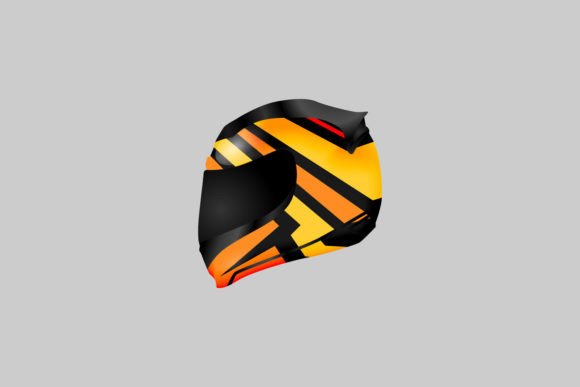
Racing Helmet Illustration Design 3D
In the high-octane world of motorsports, a helmet is never just protective gear. It is a canvas, a brand statement, and often, a piece of art that travels at two hundred miles per hour. For designers, marketers, and creative entrepreneurs, capturing this dynamic energy in a static format requires more than simple photography. This is where Racing Helmet Illustration Design 3d becomes an indispensable asset. By leveraging three-dimensional digital rendering, creators can produce hyper-realistic, versatile, and visually striking assets that serve a multitude of purposes beyond the racetrack.
The appeal of 3D illustration lies in its precision and adaptability. Unlike traditional photography, which is bound by lighting conditions, camera angles, and physical limitations, a 3D model allows for total control. You can manipulate reflections, adjust textures, and change perspectives without ever picking up a camera. Whether you are designing a poster for a local karting league, creating social media content for an automotive blog, or developing packaging for a new line of safety gear, these illustrations provide a professional foundation that elevates the final product.
Versatility Across Formats and Platforms
One of the most significant advantages of utilizing a comprehensive design package is the flexibility it offers across different media. When you access files in formats such as Ai, Eps, Png, Jpg, and Svg, you are not just getting an image; you are acquiring a toolkit for cross-platform consistency.
- Vector Files (Ai, Eps, Svg): These are essential for print applications. Whether you are printing large-format banners for a racing event or small decals for merchandise, vector graphics ensure that edges remain crisp and colors stay vibrant, regardless of scale. They are also ideal for logo integration, allowing you to seamlessly blend team insignias onto the helmet’s surface.
- Raster Files (Png, Jpg): High-resolution PNGs with transparent backgrounds are perfect for web design, allowing the helmet to be placed over various backgrounds without unsightly white boxes. JPEGs are optimized for quick loading on blogs and social media platforms, ensuring your audience sees high-quality visuals without latency issues.
This multi-format approach ensures that your branding remains consistent. A small business owner selling automotive accessories can use the same core asset for their website header, their Instagram posts, and their physical business cards, creating a cohesive brand identity that feels professional and intentional.
Creative Applications for Designers and Marketers
The utility of Racing helmet illustration design 3d extends far beyond simple decoration. For graphic designers and marketing professionals, these assets serve as powerful elements in broader compositional strategies. Consider the following practical applications:
Event Promotion and Advertising
Racing events thrive on excitement and speed. A 3D-rendered helmet can be customized to reflect the theme of a specific race. For a night race, designers can add neon glow effects and dark, moody lighting to the illustration. For a summer grand prix, bright sunlight reflections and vibrant color schemes can evoke warmth and energy. These tailored visuals capture attention in crowded social feeds and make promotional materials feel exclusive and timely.
Product Mockups and Packaging
For entrepreneurs launching new lines of helmets or related apparel, 3D illustrations offer a cost-effective way to visualize products before they go into mass production. By applying different texture maps to the 3D model, you can showcase matte finishes, carbon fiber weaves, or metallic paints. This allows potential customers to see exactly what the final product will look like, reducing uncertainty and increasing conversion rates. Furthermore, these images can be used directly on packaging, providing a sleek, modern look that stands out on retail shelves.
Educational and Editorial Content
Educators and bloggers covering automotive history or engineering can use these illustrations to break down complex topics. For instance, an article about the evolution of helmet safety standards can feature a 3D cutaway or a stylized representation of modern aerodynamic features. Because the illustration is clean and controlled, it can highlight specific details—such as ventilation systems or visor mechanisms—more clearly than a cluttered photograph might.
Customization and Brand Integration
The true power of a 3D asset lies in its malleability. While a pre-made illustration provides a strong starting point, its value increases exponentially when it can be adapted to specific brand identities. With editable AI and EPS files, designers can easily swap out colors to match corporate palettes or team liveries. This level of customization ensures that the final design feels original and tailored, rather than generic.
For freelancers working with multiple clients in the automotive sector, having a library of high-quality 3D helmet bases can significantly speed up workflow. Instead of starting from scratch for every project, you can import the base model, apply the client’s specific decals and colors, and adjust the lighting to suit the campaign’s mood. This efficiency allows for more time to be spent on creative strategy and less on technical execution.
Maintaining Visual Clarity and Impact
When working with detailed 3D illustrations, it is crucial to maintain visual clarity. A common mistake is overcrowding the design with too many elements, which can dilute the impact of the helmet itself. To keep results effective and audience-friendly, consider these best practices:
- Focus on Lighting: Use lighting to guide the viewer’s eye. Highlight the curvature of the helmet to emphasize its 3D nature, but ensure that key branding elements are not lost in shadow or excessive glare.
- Balance Complexity: If the helmet design is intricate, keep the background simple. Conversely, if the helmet is minimalist, you can experiment with more dynamic backgrounds or environmental elements to add context.
- Consistent Styling: Ensure that the style of the helmet illustration matches the rest of your design materials. A photorealistic 3D render may clash with flat, cartoonish icons. Maintain a consistent aesthetic to build trust and recognition with your audience.
By adhering to these principles, you ensure that your designs communicate effectively. The goal is not just to show a helmet, but to convey the speed, precision, and passion associated with racing culture.
Empowering Creativity Through Technology
Ultimately, Racing Helmet Illustration Design 3d is about empowering creators to tell better stories. Whether you are a hobbyist designing fan art, a small business owner building a brand, or a professional marketer launching a global campaign, these tools provide the flexibility and quality needed to succeed. They bridge the gap between imagination and reality, allowing you to experiment with ideas that might be too costly or difficult to achieve physically.
As digital design continues to evolve, the demand for high-quality, adaptable assets will only grow. By integrating 3D illustrations into your workflow, you position yourself at the forefront of visual communication. You gain the ability to produce work that is not only visually stunning but also strategically sound, resonating with audiences who appreciate both artistry and authenticity. Embrace these tools, explore their possibilities, and let your creativity drive the design forward.